

Melbourne’s Complete Buyer’s Guide (2025 Edition)
Written by: Philip Guildea, Director of Buy Wise Inspections
Buying a home in Melbourne is one of the biggest milestones in life, equal parts exciting and overwhelming. Whether you’re purchasing your first apartment in Brunswick, upgrading to a family home in Glen Waverley, or investing in a rental property in Geelong, one thing remains constant: you need clarity about the real condition of the home before you sign on the dotted line.
A quick inspection during an open home simply isn’t enough. Fresh paint can hide moisture damage. Perfect staging can distract from structural problems. A tidy garden tells you nothing about what’s happening beneath the soil or in the subfloor.
That’s where a professional building and pest inspection becomes your greatest advantage.
This in-depth guide combines insights from seven recent Buywise technical reports to explain in easy, human language, what’s included in a building and pest inspection, what your report will look like, and what to expect throughout the process. If you’re thinking of buying in Melbourne’s fast-moving property market, this guide will help you make confident, informed decisions.
Key Takeaways for Melbourne Buyers
Before we dive into the details, here are the four core things every buyer should know:
1. A Building & Pest Inspection Covers More Than You Think
A qualified inspector checks every accessible part of the home, from the roof cavity to the subfloor, uncovering structural issues, safety hazards, and timber-related problems like termites or fungal decay.
2. Your Report is Far More Than a Checklist
Expect high-resolution photos, clear explanations of major and minor defects, and practical next steps, all aligned with Australian Standard AS 4349.1-2007.
3. The “Pest” Component Is Crucial in Melbourne
Termites are a major issue across metropolitan Melbourne and Victoria. Without a pest inspection, you risk missing thousands of dollars’ worth of hidden damage.
4. Inspection Results Give You Negotiation Power
If the inspector uncovers defects, you may be able to negotiate a lower purchase price or request repairs before settlement.
Now let’s break down exactly what your inspection covers and why it matters.
1. What a Building & Pest Inspection Actually Covers
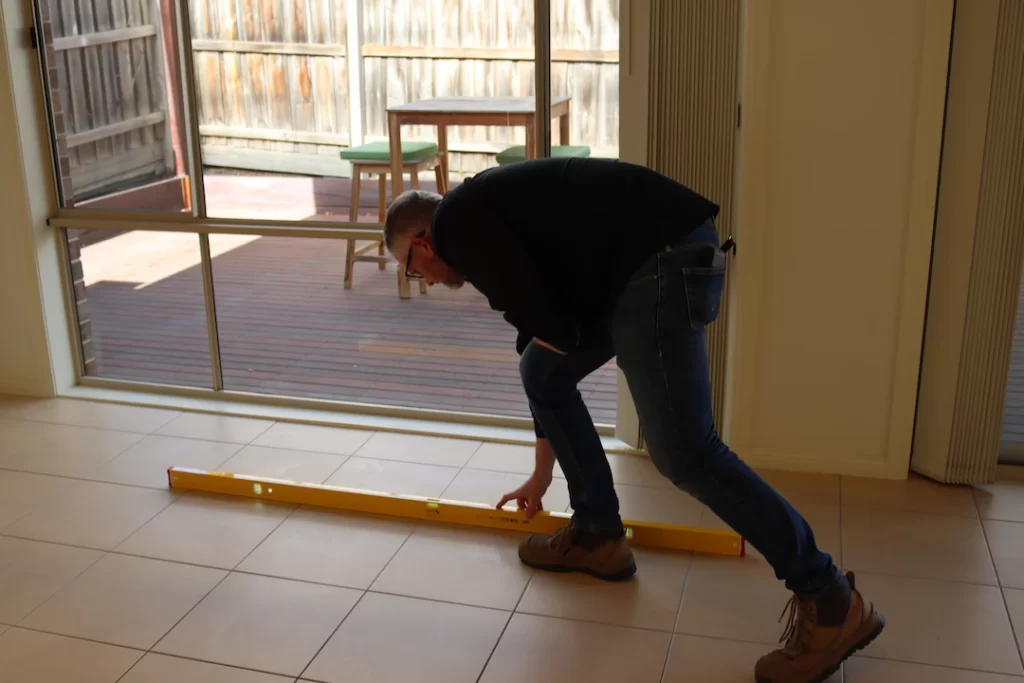
A building and pest inspection is a visual, non-invasive assessment carried out by licensed professionals, typically registered builders and certified pest technicians. Their job is to identify defects, risks, and areas of concern that the average buyer would never spot on their own.
Melbourne’s property landscape is diverse. Period homes in Northcote and Carlton often hide different problems compared to newer estates in Point Cook or Clyde North. A seasoned inspector understands these differences and knows how to identify early warning signs across all property types.
A combined building and pest inspection looks at two major categories:
- Structural stability and safety
- Timber damage, decay, infestations, and risk conditions
Below is a breakdown of each component.
Building Inspection : What’s Included
The building inspection assesses the house’s structural and functional condition.
Structural Integrity
Your inspector will examine whether the property’s essential load-bearing elements are performing correctly. They’ll look for:
- Movement or cracking in the foundations
- Subsidence or uneven footings
- Damage or deterioration in load-bearing walls
- Sagging, bowing, or deflecting structural framing
- Indicators of moisture affecting structural stability
Structural issues can cost tens of thousands of dollars to rectify, so identifying them early is critical. If you require a specialist review of these major defects, you may need a Pre Purchase Major Structural Inspection in Melbourne.
Roof & Exterior Condition
The exterior and roof structure protect the home from water, wind, and weather, the largest causes of long-term damage.
Your inspector checks:
- Roof frame and support structure
- Roofing materials (tiles, metal sheets, flashing)
- Guttering, downpipes, and drainage effectiveness
- Chimneys and flues
- External walls and cladding
- Fascia and eaves
A compromised roof can lead to leaks, rot, mould, and electrical hazards.
Interior Assessment
Inside the home, the inspector looks for signs of deterioration, poor workmanship, hidden leaks, or safety issues.
They examine:
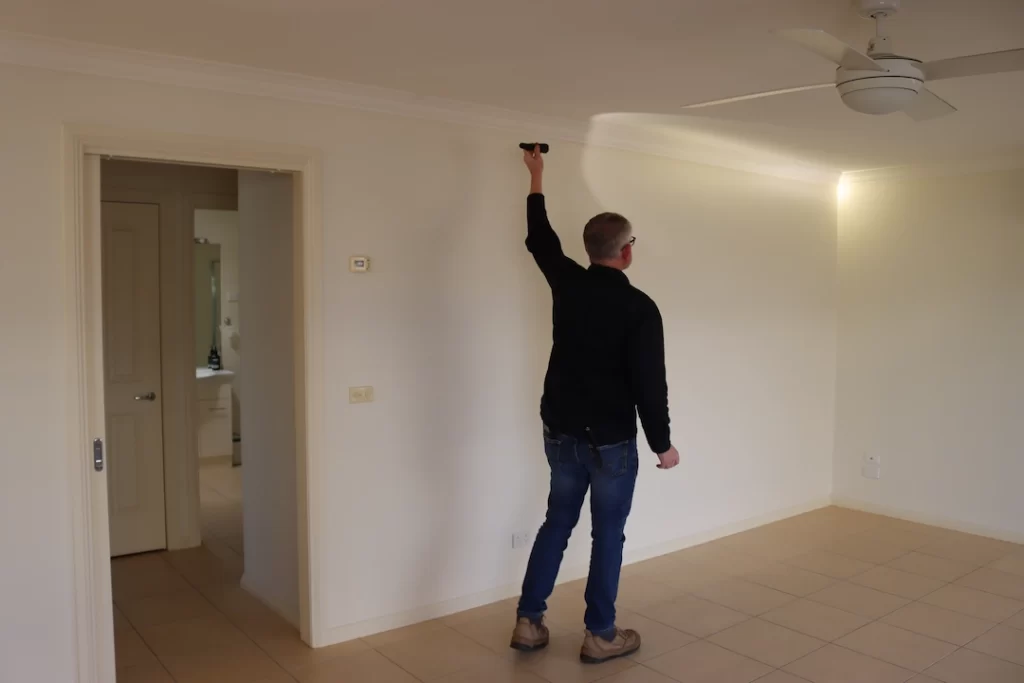
- Walls, ceilings, and floors
- Doors and windows (alignment, sticking, cracks)
- Water stains or discolouration
- Dampness or mould growth
- Ventilation and general structural alignment
Interior problems often indicate deeper issues above (roof) or below (subfloor).
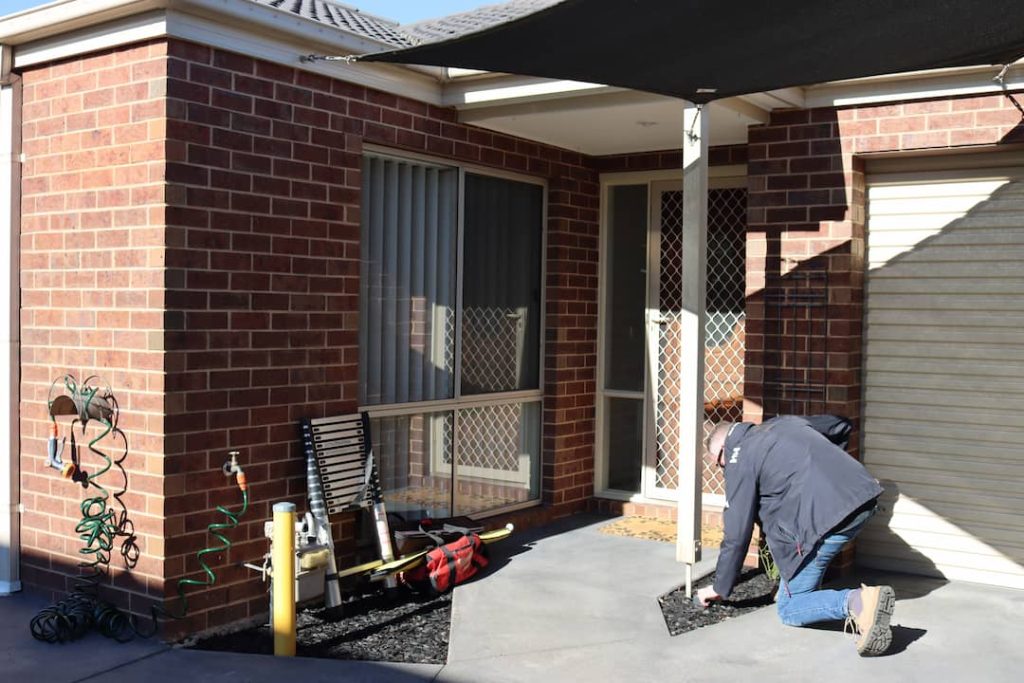
Subfloor & Property Surroundings
Many major issues hide beneath the home. The subfloor is one of the most revealing parts of the entire inspection.
Your inspector will check:
- Ventilation levels
- Moisture accumulation
- Drainage issues
- Timber stumps or steel supports
- Piers, bearers, and joists
- Retaining walls
- Driveways and paths
- Outbuildings like sheds and garages
Poor drainage and ventilation can create the perfect environment for Building Foundation Problems in Melbourne and timber pests.
Safety Hazards
Safety is a critical part of the building inspection. Inspectors look for:
- Unstable balconies or decks
- Failing balustrades
- Unsafe stairs
- Trip hazards
- Fire risks
- Visible electrical concerns
If an element poses an immediate safety risk, it will be highlighted as a major defect.
Pest Inspection : What’s Included
Melbourne’s climate and soil conditions make termite activity a serious threat. Termites cause more structural damage in Australia each year than storms, floods, and fires combined.
The pest inspection focuses on:
Active Termite Infestations
The inspector checks timbers, subfloors, garden beds, trees, stumps, fences, and roof cavities for evidence of:
- Live termites
- Hollowed-out or damaged timber
- Mud leads or workings
- Frass (termite droppings)
- Moisture trails
Evidence of Past Activity
Even if termites are no longer active, they may have caused structural harm.
Timber Decay & Fungal Damage
Leaks, dampness, and poor airflow can lead to timber rot and fungal growth.
Conditions That Encourage Infestations
These include:
- Timber touching soil
- Poorly ventilated subfloors
- Damp or humid areas
- Leaking pipes or gutters
- Gardens built up against external walls
Regular checks are essential. We recommend scheduling an Annual Termite Inspection in Melbourne to prevent long-term structural issues.
What’s Not Included in a Standard Inspection
A standard inspection cannot cover every element of a property. Some areas are either inaccessible, require destructive testing, or need a specialist trade.
Here’s what’s typically excluded:
| Excluded Area | Examples | Reason |
| Concealed Elements | Plumbing, electrical wiring, insulation, gas fittings | Requires invasive access or specialised equipment |
| Non-Structural Appliances | Ovens, dishwashers, air conditioners | Needs functional testing by licensed technicians |
| Special Features | Pools, spas, fireplaces, chimneys, saunas | Require separate compliance inspections |
For a full evaluation of all structural and safety aspects before you commit to buying, consider upgrading to a Pre Purchase Comprehensive Building Inspection in Melbourne.
2. What Your Inspection Report Includes (and Why It Matters)
Your inspection report is prepared in accordance with Australian Standard AS 4349.1-2007, meaning it follows strict guidelines for accuracy, clarity, and transparency.
This isn’t a generic “tick and flick” assessment, it’s a comprehensive, photographic document outlining the full condition of the property.
Here’s what you can expect:
High-Quality Photographic Evidence
For every defect identified, the report includes clear photos, often with arrows, markers, or notes, so you can see exactly where the issue is. This is extremely helpful when negotiating repairs with a vendor.
Priority Classification of Issues
Every defect is categorised to help you understand urgency.
Major defects:
Structural problems, serious moisture penetration, active termites, significant safety hazards.
Minor defects:
Maintenance issues such as cracked tiles, flaky paint, small leaks, loose fittings.
Plain-Language Recommendations
You’ll get practical advice on what to do next, including:
- Engage a plumber
- Seek a structural engineer’s assessment
- Repair immediately
- Monitor over time
The report is written so anyone can understand it, no construction background needed.
Legal Limitations & Access Notes
Every report includes disclaimers outlining:
- Areas that could not be inspected
- Standards followed
- Conditions that limited access
This ensures your expectations are aligned with what could reasonably be assessed.
3. What To Expect on Inspection Day
Understanding the inspection process helps alleviate stress and ensures everything goes smoothly. Here’s a simple breakdown:
Step 1: Pre-Inspection Preparation (1-2 Days Before)
Buywise arranges access directly with the selling agent.
Your role:
- Share any concerns you have about the property
- Provide known history (age, renovations, suspected issues)
Step 2: The Inspection (1.5–2.5 Hours)
The inspector thoroughly checks the interior, exterior, roof space, and subfloor (if accessible).
Your role:
- Ensure access points (roof hatch, subfloor door) are unobstructed
- You are welcome to attend and ask questions
Step 3: Immediate Verbal Summary
Right after the inspection, the inspector will call you with an overview of key findings.
This is extremely helpful if you’re in a tight cooling-off window.
Step 4: Detailed Report Within 24 Hours
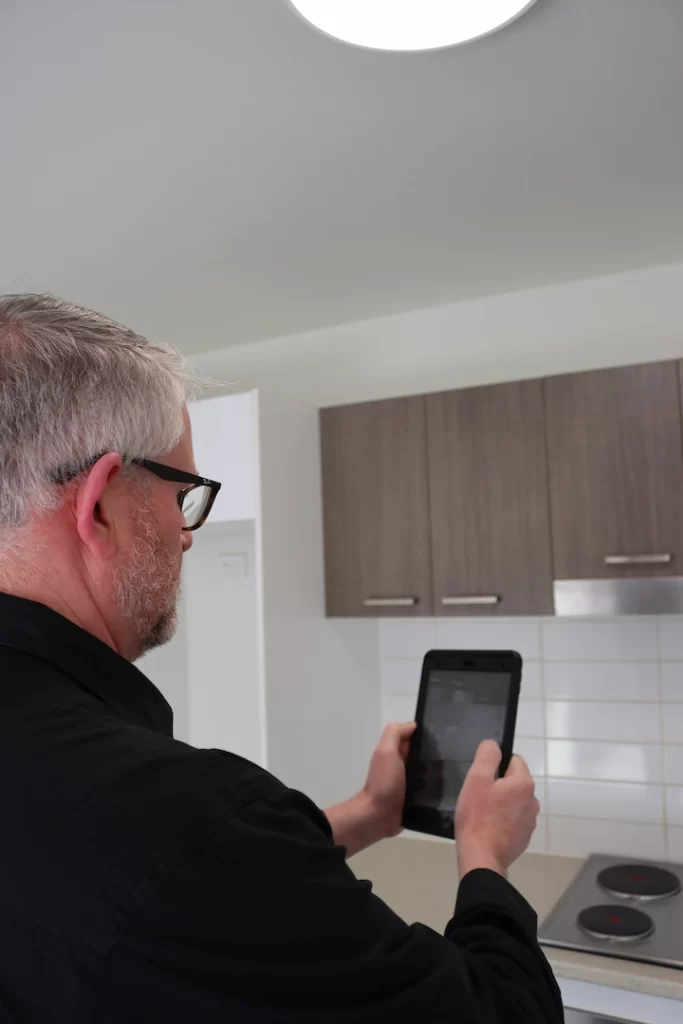
The comprehensive report arrives in your inbox, complete with images, explanations, and recommendations.
Your next step:
- Review the findings with your conveyancer or real estate advisor
4. Why Early Inspections Give You a Competitive Advantage
In Melbourne’s fast-paced property market, acting early can make the difference between a confident purchase and a costly disaster.
Here’s why early inspections matter:
Stronger Negotiating Position
If major defects are found, you can use these findings to:
- Request a price reduction
- Ask for repairs before settlement
- Walk away without financial loss
Fewer Surprises After Moving In
Unexpected repairs can cost thousands. An early inspection helps you budget accurately and plan for any future maintenance.
Protection Against Financial Risk
A single hidden termite infestation can cost $10,000–$50,000 in structural repairs. Early inspections prevent those nasty surprises.
New Home Construction
If you are purchasing a brand-new home, ensure you protect your investment with professional stage inspections. You can learn more about all of the New Home Inspections available, including frame, lock-up, and final handover, on our detailed stage inspection hub.
What Our Customers Say
“Buywise were absolutely fantastic. Their detailed report saved us from purchasing a property with hidden issues. We booked them again for the home we eventually bought and once again the service was excellent. Highly recommended.” -Geoff Leeper
“The report was incredibly thorough, and I loved that it included guidance on how to fix the issues. It was so comprehensive I even turned it into a priority checklist using AI. I also really appreciated the follow-up call with a clear summary. Thank you!” -Sri Nair
Conclusion: Protect Your Investment with a Buywise Inspection
A building and pest inspection is far more than a property “check-up.” It’s your safeguard against hidden structural problems, costly repairs, and timber pest damage. It gives you the clarity and confidence you need to make a smart, informed decision in one of Australia’s most competitive property markets.
Buywise Inspections has supported over 5,000 Melbourne buyers since 2004, providing detailed, reliable assessments carried out by licensed experts. With strict adherence to Australian Standards and Consumer Affairs Victoria guidelines, you can trust that your report is accurate, thorough, and genuinely impartial.
Before you commit to your next property, make sure you’re buying wisely, book a comprehensive building and pest inspection with Buywise Melbourne.
FAQ
A standard building and pest inspection usually takes around 1.5 to 2 hours, depending on the property’s size and accessibility. You’ll typically receive a detailed report within 24 hours outlining what does a building inspection cover and any issues found.
You don’t have to attend, but being there helps you better understand the property’s condition and ask questions directly. If you can’t make it, most Melbourne inspectors can explain key findings over a phone or video call.
There’s no official pass or fail; the report simply details defects and safety risks discovered during the inspection. It’s then up to you to decide whether to proceed, negotiate, or request repairs before buying.
Yes, even brand-new homes can have construction defects, poor finishes, or drainage issues that only a detailed inspection can reveal. A pre-handover or new-build inspection ensures your property meets Australian Standards before settlement.
Experts recommend having a professional termite inspection at least once a year to catch early signs of infestation. Regular checks protect your home’s structure and help maintain the value of your Melbourne property.
About the Author
Philip Guildea, Director of Buy Wise Inspections
 Phil Guildea, Director of Buy Wise Inspections, is a qualified carpenter, registered builder, and licensed pest technician with decades of hands-on industry experience. After building architect-designed homes and working on major infrastructure projects, he now leads Buy Wise, providing expert building, pest, and new home inspections across Melbourne. Phil is known for his practical knowledge, clear communication, and genuine commitment to helping buyers make confident property decisions.
Disclaimer
The information provided in this blog is general in nature and should not be considered legal, financial, or professional building advice. Property conditions vary, and every inspection is unique. Always seek guidance from qualified professionals and rely on your official inspection report before making any purchasing decisions.