

Building a home is one of the biggest financial and personal investments most Melbourne families will ever make. With so much at stake, it’s important to ensure every stage of the build is carried out to the highest standard. One step that often gets overlooked or underestimated is the frame stage inspection.
This inspection happens once the home’s structural frame is in place. It’s a crucial checkpoint because the frame is essentially the skeleton of the house. Any issues at this stage can affect everything that follows, from the walls and roof to the overall stability and safety of the property.
For Melbourne homeowners, this inspection holds added importance. The city is known for its changeable weather conditions, which can impact timber and other building materials. In addition, strict standards enforced by the Victorian Building Authority (VBA) mean that compliance is not just a good idea, it’s the law.
By understanding the frame stage inspection process and why it matters, you’ll be better prepared to protect your investment and ensure your new home is built to last.
What is a Frame Stage Inspection?
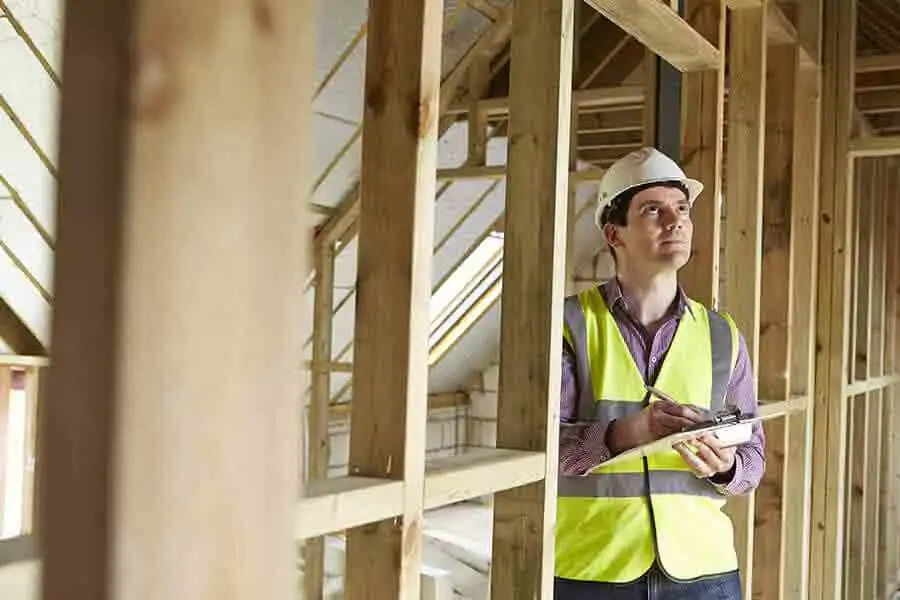
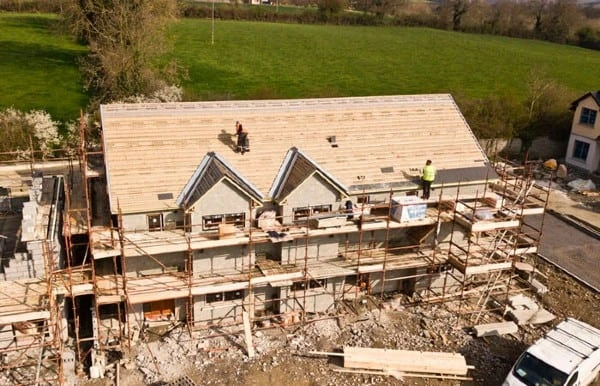
The frame stage occurs after the concrete slab and sub-floor works are complete but before plasterboard, roofing materials, and insulation are added. At this point, the structural framework, walls, roof trusses, beams, and openings, is visible and accessible, making it the perfect time to check for issues.
A frame stage inspection is conducted by a licensed building inspector or independent consultant. Their role is to review the workmanship and materials to confirm they meet:
- The approved building plans.
- The engineer’s specifications.
- Relevant Australian Standards (AS1684 for timber framing, AS4440 for roof trusses, and others).
- Victorian Building Regulations overseen by the VBA.
During the inspection, the inspector examines not just the structural integrity but also whether the layout matches the plans. For example, ensuring window and door openings are the right size and correctly positioned. If left unchecked, these details can cause significant problems later when fittings are installed.
This is one of the few stages in construction where the structure is exposed, making it easier to identify and correct mistakes before they are hidden behind plaster and finishes.
Why Frame Stage Inspections Are Important for Homeowners in Melbourne
Structural Safety Comes First
The frame is responsible for supporting the roof, walls, and upper floors of your home. Any weakness here compromises the entire building. Inspections confirm that load-bearing walls are correctly positioned and braced, giving homeowners peace of mind about the home’s safety.
Early Detection Saves Money
Defects discovered later in the build can be expensive and disruptive to fix. For example, if roof trusses are misaligned and the problem is only noticed after plastering, entire sections may need to be pulled down and rebuilt. Identifying these issues early prevents costly rework.
Compliance with Victorian Regulations
The VBA enforces strict standards across Melbourne and Victoria. A frame stage inspection ensures compliance with these requirements, reducing the risk of disputes with your builder and avoiding legal issues down the track.
Protecting Your Investment
For most families, a home is their largest financial commitment. An independent inspection at the frame stage acts as an insurance policy, confirming the property is being built to a standard that will last for decades.
Key Areas Inspectors Focus On
Inspectors follow a thorough checklist during a frame stage inspection. Some of the main areas include:
- Foundation and slab connections: Ensuring the frame is securely bolted to the slab, with correct spacing of anchors and tie-downs.
- Wall frames: Checking walls are plumb (perfectly vertical) and square, with adequate bracing to prevent movement.
- Load-bearing structures: Confirming beams and posts are correctly sized and positioned to carry expected loads.
- Roof trusses and bracing: Inspecting the installation of trusses, tie-downs, and lateral bracing to ensure the roof will be stable and safe.
- Openings: Verifying that window and door frames are the right size and located exactly where they should be, preventing fitting issues later.
- Connections and fixings: Checking bolts, nails, and screws are installed according to standards, as weak joints can compromise the whole frame.
By examining these areas, inspectors provide a clear picture of the frame’s quality and safety before the project moves forward.
Common Issues Found During Frame Stage Inspections in Melbourne
Even with reputable builders, issues can and do arise. In Melbourne, some of the most common include:
- Warped or twisted timber due to moisture exposure during construction.
- Inadequate bracing, which can leave walls unstable.
- Poor workmanship such as uneven nailing or misaligned joints.
- Non-compliance with Australian Standards, particularly around truss installation.
- Weather-related damage, as Melbourne’s rain and temperature fluctuations can affect untreated timber if left exposed.
If these problems are not identified early, they can lead to cracking walls, sagging roofs, or long-term structural problems.
The Role of Independent Building Inspectors
While builders and site supervisors perform their own checks, they may not always highlight issues that delay the project or cost them money. This is why many homeowners choose to hire an independent inspector.
Benefits of Hiring Independent Inspectors
- They work solely for you, the homeowner, with no conflict of interest.
- They provide a detailed written report with photos, documenting all defects.
- They often identify issues that could be missed or overlooked by the builder’s team.
- They can attend follow-up inspections to confirm corrections have been made.
Costs in Melbourne
The cost of a frame stage inspection in Melbourne typically ranges from $350 to $600 depending on property size. Considering the potential cost of repairing defects later, this is a small investment for peace of mind.
For more details about what’s included, see frame stage inspection Melbourne.
How to Prepare for a Frame Stage Inspection
Preparation ensures the inspection is thorough and productive. Here are some tips:
- Communicate with your builder: Let them know you intend to bring in an independent inspector. This ensures they leave the site accessible.
- Have documents ready: Keep your building contract, approved plans, and engineering drawings on hand. Inspectors will cross-check these against the build.
- Timing matters: Schedule the inspection as soon as the frame is complete but before the builder moves to the lock-up stage. Once plaster and cladding are in place, access to the frame is limited.
- Ask questions: Speak with both your builder and inspector to clarify what will be assessed and how defects will be handled.
You can see how this stage fits into the broader process by reading about slab stage inspections and fixing stage inspections.
Legal and Contractual Considerations
Most Melbourne building contracts are structured around staged payments, with one payment due at the completion of the frame. It’s vital to ensure the frame stage inspection has been completed and defects addressed before releasing this payment.
Homeowner Rights in Victoria
- You have the right to request independent inspections at any stage of construction.
- Builders are legally obliged to rectify defects before progressing.
- You are not required to release the stage payment until you are satisfied with the work.
This legal backing empowers homeowners to hold builders accountable and ensures quality is maintained throughout the build.
Tips for Melbourne Homeowners
- Engage experienced inspectors: Choose professionals familiar with Melbourne’s building codes and local challenges.
- Never skip inspections: Even if your builder insists their own checks are sufficient, an independent perspective is invaluable.
- Keep clear records: Store inspection reports, emails, and notes. These are useful if disputes arise later.
- Plan ahead: Book your inspection early so it doesn’t delay progress.
For later stages, you may also want to learn about lock-up stage inspections and pre-handover inspections.
Conclusion
A frame stage inspection is one of the most important milestones in the construction of your Melbourne home. It ensures the skeleton of the house is strong, compliant, and free from defects before moving to the next phase.
By investing in an independent inspector, you not only protect your home but also gain confidence that the builder is meeting their obligations. This step helps prevent costly surprises and ensures the long-term safety and durability of your property.
Don’t take chances with your investment. Book a frame stage inspection before your builder proceeds to lock-up and enjoy peace of mind knowing your home is built on a solid foundation.
FAQ
As soon as the frame is erected but before plaster, insulation, or roofing is added.
Independent building inspectors or licensed professionals registered in Victoria.
Yes. An independent inspector ensures unbiased reporting and protects your interests.
Between $350 and $600, depending on the size and complexity of the build.
The builder must fix them before progressing. Payments should be withheld until issues are resolved.