

Building a new home is one of the biggest investments most Australians will make. From planning approvals to handover, every stage of the build involves strict checks to ensure the house is safe, structurally sound, and up to code. Building inspections aren’t just a formality, they help prevent costly mistakes and ensure compliance with Australian standards and legislation.
In this guide, we’ll explain the key inspection stages when constructing a house in 2025, how the National Construction Code (NCC 2022) affects the process, and what’s required in different states and territories. Whether you’re a property developer, first-time builder or investor, understanding your obligations will save you time, money, and stress.
Why Building Inspections Matter During Construction
Even with a qualified builder, things can go wrong. A missed waterproofing layer or incorrect footing placement can cause serious long-term issues. Building inspections ensure that every part of the structure meets safety, energy efficiency, and quality standards before moving to the next stage.
Building surveyors and quality assurance (QA) inspectors play crucial roles. Surveyors assess regulatory compliance, while QA inspectors often focus on workmanship and quality control on behalf of the client. Both are essential to delivering a successful home build.
Building Surveyors vs. QA Inspectors
Building Surveyors are licensed professionals who assess building plans and perform mandatory inspections. They are appointed at the start of the project and issue permits at each key construction stage. At the end of the build, they issue a final occupancy permit or certificate of final inspection.
Quality Assurance Inspectors (building consultants) provide independent checks throughout the build to assess the quality of work. Many developers or clients engage them during progress claims to ensure builders are meeting expectations before payments are released.
Mandatory Building Inspection Stages by State or Territory (2025)
Inspection requirements vary slightly across Australia depending on your location. Here’s a simplified table showing the general mandatory inspections by state:
| State/Territory | Required Stages |
| Victoria | Footings, Slab, Frame, Final |
| NSW | Footings, Slab, Frame, Waterproofing, Final |
| Queensland | Footings, Slab, Frame, Waterproofing, Final |
| SA | Footings, Slab, Frame, Roof Framing, Final |
| WA | Footings, Slab, Frame, Waterproofing, Final |
| TAS | Slab, Frame, Final |
| NT | Slab, Frame, Final |
| ACT | Slab, Frame, Waterproofing, Final |
Note: Always check with your local council or private building surveyor for exact inspection requirements in your area.
Key Inspection Stages Explained
1. Footings Inspection
This inspection occurs before concrete is poured into the footing trenches. It ensures correct depth, alignment, reinforcement, and soil preparation. If footings are incorrect, it can affect the entire structure.
2. Slab Inspection
After the formwork and reinforcement are set but before concrete is poured, the slab inspection ensures the base meets engineering specs, including moisture barriers and steel placement.
3. Frame Inspection
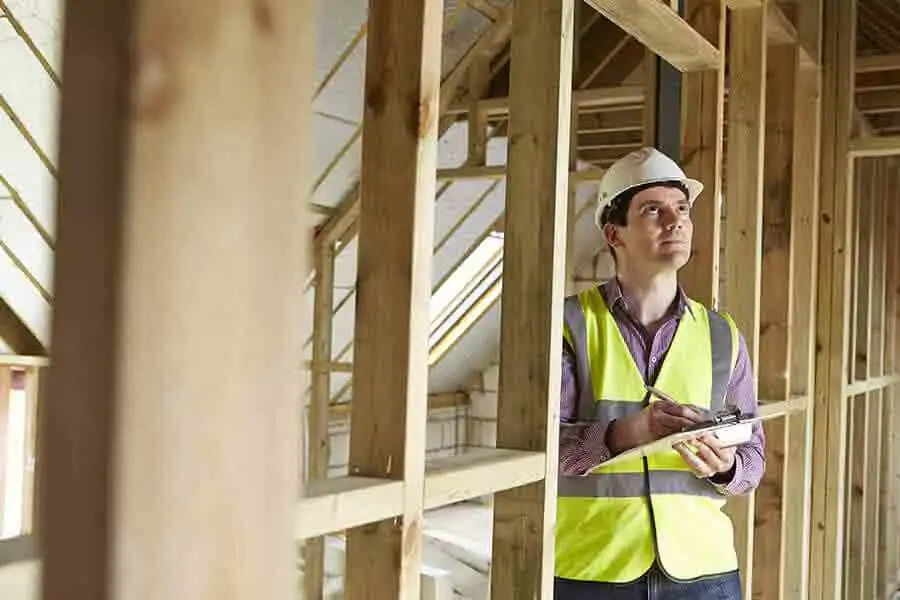
Once wall frames and roof trusses are erected, the surveyor checks their layout, anchoring, bracing, and load paths. Any issues at this stage must be fixed before internal linings can begin.
4. Waterproofing Inspection (mandatory in NSW & QLD)
Inspectors check whether wet areas like bathrooms, laundries and kitchens have been sealed with compliant waterproofing membranes. In other states, this may be a QA inspection instead of a legal requirement.
5. Final Inspection
A full review of the completed build, ensuring compliance with all relevant codes, including accessibility, safety (handrails, smoke alarms), and energy efficiency. Once passed, the Occupancy Permit or Certificate of Final Inspection is issued.
National Construction Code (NCC) 2022 Update
The 2022 update to the NCC introduced new requirements related to energy efficiency, accessibility, and condensation management. These remain relevant and enforceable in 2025. Key updates include:
- 7-star NatHERS energy rating for new builds
- Improved waterproofing standards in wet areas
- Mandatory accessible design features in Class 1a dwellings (e.g. wider hallways)
Builders and surveyors must now factor in these changes during the design and inspection phases. Using up-to-date construction methods and materials is critical to ensure compliance.
Quality Assurance (QA) Building Inspections
While QA inspections are not legally required, many homeowners and investors commission them to protect their interests. A QA inspector acts as a third-party expert, assessing build quality and identifying problems early.
Common QA inspections include:
- Base/Slab stage QA: Reviews slab dimensions, drainage slope, and reinforcement
- Frame stage QA: Checks structural integrity and alignment
- Lock-up stage QA: Assesses windows, doors, roof cover, external cladding
- Fixing stage QA: Reviews plastering, cabinetry, waterproofing
- Final handover QA: Identifies minor defects, compliance issues, and incomplete works
These inspections give homeowners peace of mind, reduce the risk of disputes, and help ensure contractors are held accountable.
Who Conducts Building Inspections?
- Building Surveyors: Must be licensed with your state’s building authority (e.g., VBA in Victoria)
- Private Building Inspectors: Can be hired for QA inspections
- Local Councils: May conduct random checks or issue compliance warnings
Always verify credentials, insurance, and references before hiring an inspector.
Common Issues Identified During Inspections
- Incorrect or insufficient reinforcement in footings
- Frame not anchored or braced correctly
- Poor-quality waterproofing in wet areas
- Missing insulation or incorrect installation
- Incomplete smoke alarm installation
- Inadequate ventilation in roof spaces or bathrooms
Fixing these issues early avoids bigger problems later and ensures the project stays on track.
Choosing the Right Inspector or Surveyor
When selecting an inspection professional:
- Confirm they are licensed with the relevant authority (VBA, NSW Fair Trading, etc.)
- Ask if they provide digital reports with photos
- Choose someone who communicates clearly and is willing to answer questions
- Look for someone with local experience in your area or with your builder
Explore our building and pest inspection services to see how we can help.
Conclusion
Construction inspections are critical to ensuring your new home is safe, compliant, and built to last. Whether it’s a legal requirement like a frame inspection or an optional QA check, every stage offers the chance to identify issues before they escalate.
Understanding your obligations by state, staying informed on NCC updates, and working with qualified professionals will help you protect your investment and avoid costly mistakes.
Need help navigating your new home build in 2025? Speak to our team of local inspectors and surveyors to ensure your home meets the highest standards of quality and compliance.
FAQs
Most new homes are inspected at key stages: footings, slab, frame, waterproofing (in some states), and final inspection. The exact stages vary by state or territory.
Licensed building surveyors are responsible for mandatory inspections. Optional QA inspections can be carried out by private building inspectors.
No. It is only mandatory in New South Wales and Queensland, but highly recommended in all states to ensure quality and reduce the risk of water damage.
A surveyor is legally authorised to approve construction stages and issue permits. A building inspector (QA) checks quality and workmanship but does not issue approvals.
Yes. You can engage a QA inspector at any stage to provide an independent review of the builder’s work.
Work with a licensed builder and surveyor who is up to date with NCC changes. Request confirmation that waterproofing, accessibility, and energy efficiency standards are met.
No. It is only mandatory in New South Wales and Queensland, but highly recommended in all states to ensure quality and reduce the risk of water damage.
Yes, your building contract will typically outline the mandatory inspection stages and whether third-party inspections are permitted.