

You’ve watched your home come together step by step. First the slab, then the frame, then suddenly it’s at lock-up, and before you know it, your builder is telling you it’s ready.
Final invoice sent. Handover date booked.
It feels like the finish line.
But here’s the part most people don’t stop to ask:
Is everything actually finished the way it should be?
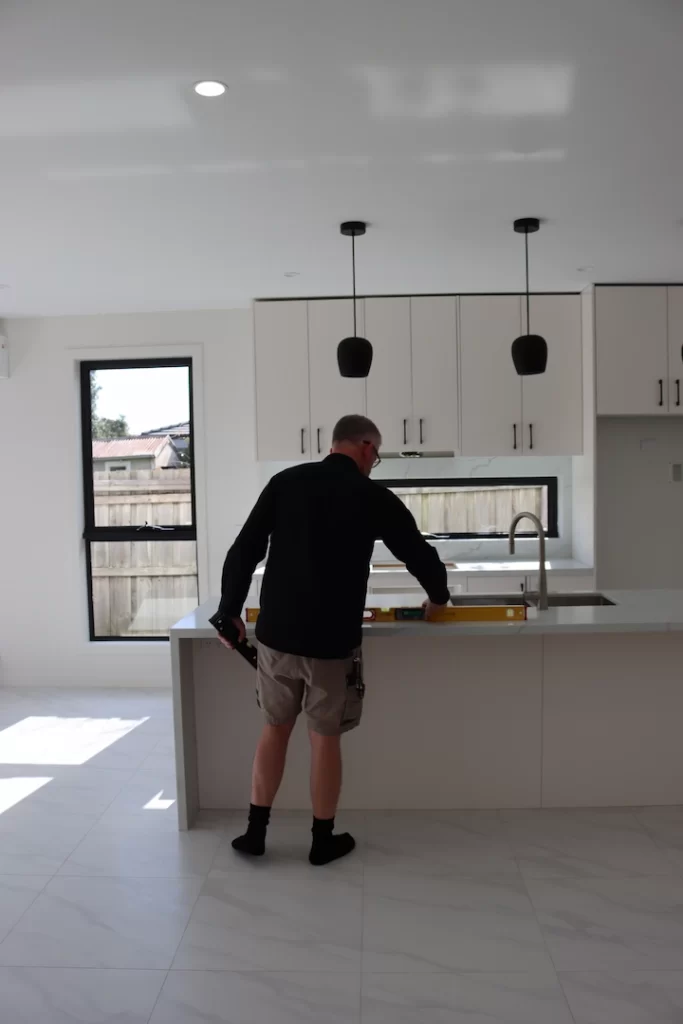
That’s exactly where a Pre-Handover Inspection (PCI), sometimes called a Practical Completion Inspection, comes in. It’s your last real chance to pick up issues before you hand over the final payment and take the keys.
Most Melbourne site supervisors manage multiple projects across different suburbs simultaneously. It is physically impossible for them to oversee every nail, joint, and seal. Because their time is split across several sites, having a second, independent set of eyes during the final walk-through isn’t just a precaution, it’s a vital part of the quality assurance process.
A PCI isn’t about being picky. It’s about making sure what you’re paying for is what you’re actually getting.
For a full breakdown of our specific service inclusions and pricing, you can also view our Pre-Handover Inspection Guide.
Why “New” Doesn’t Always Mean “Perfect”
A lot of buyers assume a brand-new home should be flawless.
In reality, that’s almost never the case.
Even well-built homes can have small issues, nothing structural, but enough to affect how the home looks, feels, and functions day to day.
The Site Supervisor Reality
Most site supervisors across Melbourne aren’t just managing one build, they’re juggling several at once, often across different suburbs.
Each home involves a long chain of trades, plasterers, tilers, painters, cabinetmakers, all working to tight deadlines. When schedules get compressed, the focus naturally shifts toward getting the job finished.
That’s usually where the finer details start to slip.
Not because people don’t care, but because there are simply too many moving parts.
This is why having an independent inspector matters. It’s a fresh set of eyes, looking at the home without the pressure of timelines.
Workmanship vs Structural Integrity
By handover stage, the structure itself is generally complete and compliant.
What tends to show up instead are the smaller things:
- Paint inconsistencies
- Gaps in finishes
- Doors that don’t quite sit right
- Fixtures that aren’t properly aligned
Individually, they might seem minor. But collectively, they affect how finished the home actually feels.
Your Leverage Window
This part is simple, but important.
Before you make the final payment, you still have leverage.
After that, things can slow down.
Builders will usually honour warranties, but getting smaller defects fixed later can take time, and often requires multiple follow-ups.
Catching everything upfront is almost always the smoother path.
This is why engaging independent building inspectors before handover is one of the smartest decisions you can make.
What a Melbourne Final House Inspection Covers
A professional Pre-Handover Inspection (PCI) focuses on identifying visible defects and incomplete works in line with AS 4349.1 (Inspection of Buildings).
Scope & Industry Standards: In accordance with Victorian industry requirements, the inspection is strictly limited to the lot on title (including car spaces or storage on title). It is important to note that a PCI is a visual assessment of the dwelling itself; it does not extend to common property, shared services, or strata records. Furthermore, determining legal boundaries is a matter for your legal representative via Section 32.
External Finishes
Inspectors will assess:
- Brickwork and mortar joints (pointing quality)
- Render consistency and cracking
- External cladding installation (non-combustible types only)
- Window frame sealing and weatherproofing
Internal Carpentry & Joinery
Attention to detail matters here:
- Kitchen cabinetry alignment and door operation
- Skirting boards and architrave gaps
- Door clearances and latching
- Wardrobe fit-outs and shelving stability
Plastering & Paintwork
This is where many defects are found:
- Uneven plaster joints
- Surface dents or scratches
- Paint “flashing” (inconsistent sheen)
- Poor finishing around corners and edges
Functional Testing
A PCI also checks usability:
- Doors and windows open and close correctly
- Locks engage properly
- Tapware is secure and leak-free
- Exhaust fans and basic fixtures operate
If you’re preparing for handover, booking a Pre-Handover Inspection (PCI) ensures these elements are professionally assessed before settlement.
Understanding Victorian Standards and Tolerances
A PCI isn’t about subjective opinions. It’s grounded in measurable benchmarks.
The Victorian Guide to Standards and Tolerances
In Victoria, inspectors refer to the official Victorian Guide to Standards and Tolerances, published by the Victorian Building Authority.
This guide outlines acceptable limits for:
- Surface flatness
- Paint finish
- Gaps and alignment
- General workmanship
Objective, Evidence-Based Reporting
A professional inspection produces a detailed building defect report that:
- References applicable standards
- Documents issues with photos
- Clearly explains non-compliant items
This removes emotion from the process. Instead of debating opinions, you’re presenting evidence aligned with recognised standards.
That clarity often leads to faster, smoother defect resolution with your builder.
Navigating the Handover Process in Melbourne
Timing and preparation are critical.
When to Book Your PCI
Ideally, your final house inspection should be booked:
- 7–14 days before handover, or
- As soon as the builder declares “practical completion”
This allows enough time for defects to be rectified before settlement.
The Inspection Scope
Under industry standards such as AS 4349.1:
- The inspection is visual and non-invasive
- It focuses only on accessible areas within the lot on title
- It does not include legal boundary verification (this is handled via your Section 32 and conveyancer)
Coordination with Your Builder
Most builders will:
- Allow access for independent inspectors
- Provide a timeframe for defect rectification
- Schedule a final walk-through before key handover
Clear communication here makes a big difference.
Handover Inspection Cost vs Long-Term Value
Let’s address the question most buyers ask: is it worth the investment?
Typical Cost Range In Melbourne, the handover inspection cost generally starts at a few hundred dollars, depending on property size and complexity.
What You’re Protecting
Compare that to potential costs of:
- Repainting entire walls
- Replacing damaged cabinetry
- Fixing poor waterproofing finishes
- Correcting door and window installations
These can easily run into thousands.
The Real Value
Beyond financial savings, the biggest benefit is peace of mind.
You’re confirming that:
- The builder has completed the work properly
- Defects are identified early
- Your new home meets acceptable standards
That confidence is hard to put a price on.
Common “Misses” in Melbourne New Builds
Even in solid builds, there are a few things inspectors pick up again and again, details that are easy to overlook during a quick walk-through.
Here are some of the more common ones:
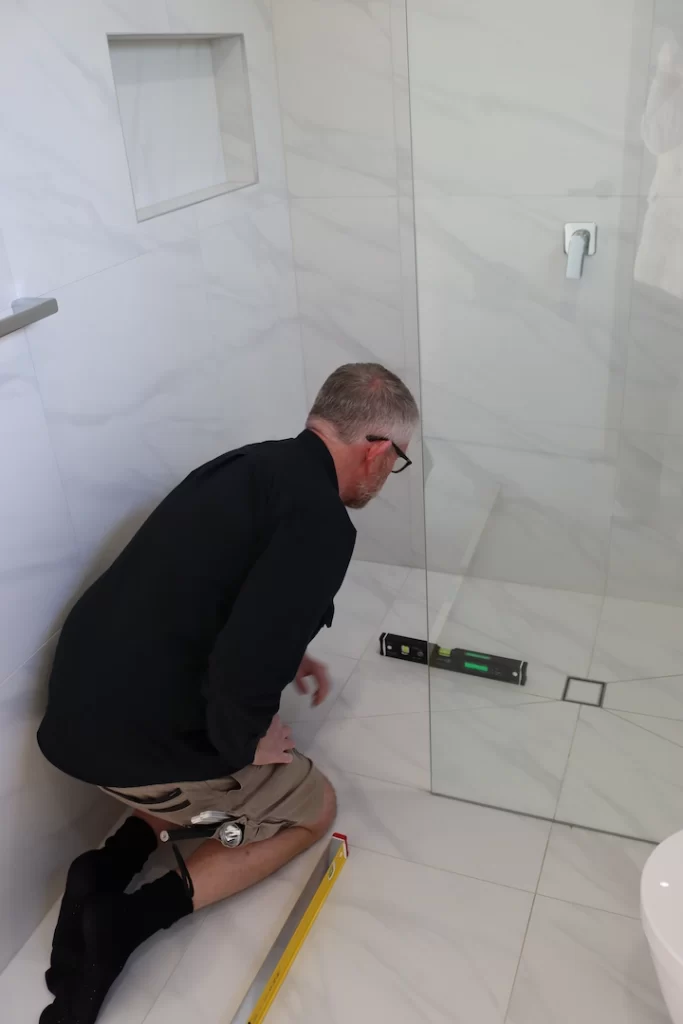
1. Drainage that doesn’t quite fall properly
In wet areas like showers or laundries, water should naturally run to the drain. When it doesn’t, you end up with pooling, which is something you don’t want long-term.
2. Caulking that’s rushed or incomplete
Around sinks, showers, and benchtops, sealing needs to be clean and continuous. Gaps or messy application can lead to moisture issues later on.
3. Scratches on glass
It’s surprisingly common. Windows and sliding doors can get marked during construction or even during the final clean.
4. Doors and cabinetry slightly out of alignment
Nothing dramatic, but enough to notice over time. Doors that don’t latch cleanly or cabinets that sit unevenly tend to wear faster.
5. Paint finishes that aren’t consistent
Roller marks, uneven sheen, missed edges, these are some of the most frequent defects, especially under certain lighting.
Most of these aren’t obvious at first glance.
But once you see them, you can’t unsee them, and that’s exactly why they’re better picked up before handover.
What Homeowners Say
Phil is extremely professional and did a fantastic job with the inspection providing a detailed and thorough report. Called afterwards to let me know what needed to be done and guided me to the right people to fix the issues. Highly recommend if you are looking to buy a home. –Christopher Psinas
Would highly recommend Buywise for building and pest inspections. We’ve used them a number of times and they’ve always been professional, responsive and timely. Phil was fantastic and provided a very comprehensive report and also took the time to respond to my many questions. Thank you Phil! –Hui Lin Ng
Conclusion: Don’t Rush the Finish Line
Getting to handover is a big moment. After months of waiting, it finally feels real.
But it’s also the point where slowing down just a little can make a big difference.
A final inspection isn’t about creating problems, it’s about making sure everything has been completed properly before you sign off.
Once keys are handed over and payment is made, your position changes. Fixes can still happen, but they’re rarely as straightforward.
Having an independent inspection done beforehand gives you clarity. You know where things stand, what needs attention, and whether the home meets expected standards.
And more than anything, it lets you move in with confidence, rather than a to-do list.
Ready to book your final house inspection in Melbourne? Contact Buywise today.
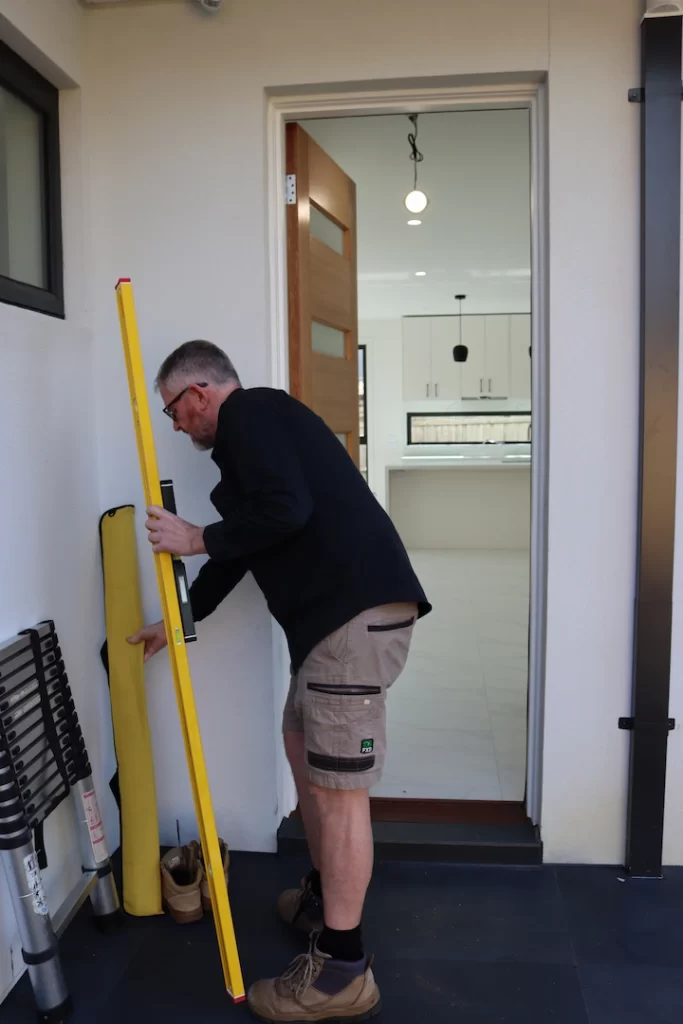
FAQ: Final House Inspections in Melbourne
A final house inspection, or PCI, is a professional assessment carried out before handover to identify defects and incomplete work.
It’s not legally required, but it is strongly recommended as part of standard building practice.
Typically 7–14 days before handover or once the builder declares practical completion.
It does not include common property, shared services, legal boundaries, or compliance matters outside standard building inspection scope.
Most inspections take 1.5 to 3 hours, depending on property size.
About the Author
PHILIP GUILDEA – Director, Buy Wise Inspections
 Philip Guildea, known as Phil, is a highly experienced building professional and the director of Buy Wise Inspections. Originally from Ireland, Phil moved to Australia in 2011 and built his career from the ground up, starting as a carpenter.
He has worked across residential construction, including architect-designed homes, and contributed to major infrastructure projects across Australia. Phil is a qualified carpenter, registered builder, and licensed pest technician, with additional qualifications in pool safety barrier inspections.
Phil’s strength lies in his practical, real-world understanding of how homes are built, and where things can go wrong. His approach is grounded, honest, and focused on helping clients make informed property decisions.
Disclaimer: This article is for general informational purposes only and does not constitute legal, financial, or building advice. Building inspections are conducted in accordance with applicable Australian Standards, including AS 4349.1, and are limited to visual, non-invasive assessments of accessible areas within the lot on title. For legal matters, including title boundaries and contract conditions, consult your legal representative or review your Section 32 documentation.