

Building a new home is an exciting journey, but it’s also one of the biggest financial commitments you’ll ever make. From choosing the land to selecting fixtures and finishes, there are countless decisions along the way. Among these, one step that often gets overlooked is the inspection process at each stage of construction.
While homeowners usually pay attention to slab and frame inspections, the fixing stage inspection doesn’t always get the same level of focus. This stage, however, can determine whether your home looks polished and functions properly, or if it develops problems that will frustrate you for years to come.
An inspection at this point ensures your builder delivers a home that is safe, compliant, and built with care. It’s about protecting your investment while also avoiding costly repairs down the line.
What Is the Fixing Stage in a New Build?
Definition of the Fixing Stage
The fixing stage occurs after the slab, frame, and lock-up inspections. It’s when your home transitions from structural completion to detailed interior work. The bones of the house are already in place, but now it’s about shaping the liveable spaces you’ll use every day.
Key Tasks Completed at the Fixing Stage
During this stage, the following tasks are typically completed:
- Plasterboard installation: Internal walls and ceilings are lined with plaster.
- Architraves and skirting boards: These trim pieces frame doors, windows, and floors.
- Cabinetry and shelving: Kitchens, bathrooms, and laundries start taking shape.
- Doors and windows: Internal doors are hung and window architraves are fitted.
- Fixtures and fittings: Shelves, benchtops, and other built-in features are added.
Why This Stage Matters
At this point, your home begins to look like a finished space. This makes it tempting to assume the “hard part” is done. In reality, this stage is where quality workmanship becomes visible, and where mistakes are most costly if left unchecked.
Why Fixing Stage Inspections Are Important
Catching Problems Before They’re Hidden
Once painting and finishing are completed, issues with plastering, alignment, or cabinetry are far harder to correct. An inspection ensures these problems are identified while they can still be fixed easily.
Compliance With Standards
In Victoria, builders must meet both Australian Standards and requirements set by the Victorian Building Authority (VBA). Independent inspectors confirm that your build complies with these codes, giving you confidence in the safety and quality of your home.
Saving Time and Money
Fixing stage inspections reduce the risk of expensive reworks. Identifying poor workmanship early means it can be rectified before final finishes, saving homeowners thousands of dollars.
Ensuring a Professional Finish
From straight walls to properly aligned cabinets, small details matter. They not only affect aesthetics but also influence resale value and day-to-day functionality.
Common Problems Found During Fixing Stage Inspections
Uneven Walls and Ceilings
Uneven plasterwork can create visible bumps or shadows when lights are installed. These imperfections are costly to fix after painting.
Misaligned Cabinetry
Cabinets that aren’t square or properly secured can lead to drawers that don’t close or benchtops that tilt. This impacts both function and appearance.
Faulty Door Installations
Poorly hung doors may stick, fail to close, or scrape the floor. Correcting this after completion usually requires carpentry work and repainting.
Tiling and Fixture Issues
Tiles laid unevenly or bathroom fixtures installed incorrectly not only look bad but may cause waterproofing problems.
Use of Substandard Materials
Builders under pressure sometimes substitute lower-quality materials. An inspector ensures that what was promised in your contract is actually delivered.
Non-Compliance With Specifications
Agreed design features, such as skirting heights, cornice profiles, or cabinet finishes, are sometimes ignored. Inspections hold builders accountable.
Risks of Skipping a Fixing Stage Inspection
Higher Repair Costs Later
It’s much more affordable to fix issues before painting and final installation. Waiting until after completion means tearing out finished work, which multiplies costs.
Durability and Maintenance Problems
Poorly fixed elements, such as misaligned doors or loose cabinetry, often cause ongoing maintenance issues. These can quickly escalate into more serious problems.
Reduced Property Value
When it comes time to sell, visible defects like uneven walls or poor finishes turn buyers away. Even small issues can affect valuation.
Disputes and Delays
Without an independent report, it’s harder to prove defects to your builder. This often results in disputes, project delays, or unresolved warranty claims.
The Value of Independent Inspectors at the Fixing Stage
Impartial and Professional Assessment
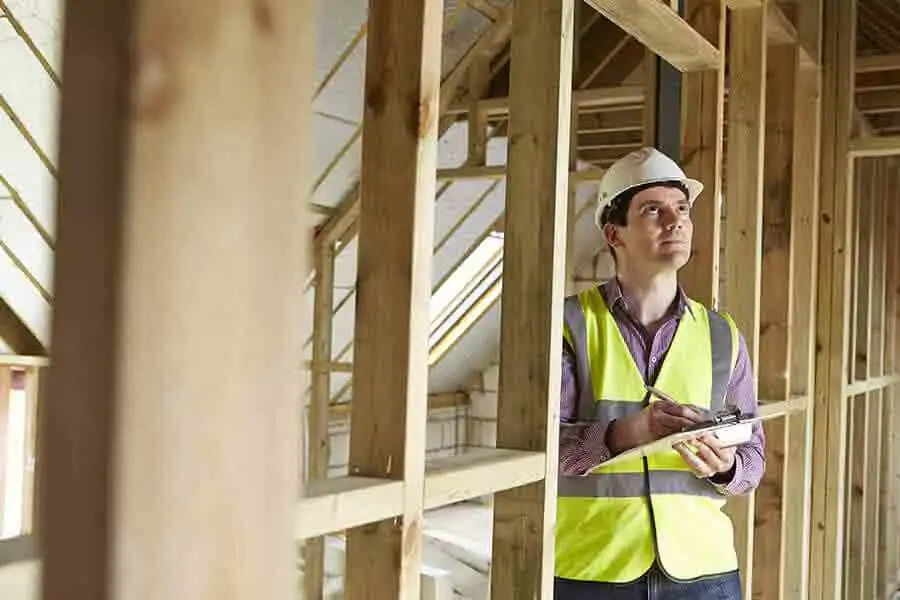
Independent inspectors are not connected to your builder. Their job is to represent your interests and ensure construction quality.
What Inspectors Check
They look for:
- Alignment and straightness of walls, doors, and cabinetry
- Quality of plastering and finishes
- Proper installation of fittings and fixtures
- Compliance with agreed specifications and building codes
Clear and Actionable Reporting
After the inspection, you’ll receive a detailed written report with photos. This provides clear evidence for discussions with your builder and supports any warranty claims later.
Why It’s Essential in Melbourne
In Melbourne’s competitive building industry, large builders often rely on multiple subcontractors. With so many hands involved, consistency can slip. Independent inspections are the safeguard against overlooked details.
Best Practices for Melbourne Homeowners Scheduling a Fixing Stage Inspection
When to Schedule
Arrange your fixing stage inspection once plaster, cabinetry, and fittings are installed but before painting and floor coverings go in. This ensures maximum visibility of defects.
Questions to Ask Your Inspector
- Are all finishes straight and aligned?
- Do cabinetry and fittings match the specifications in my contract?
- Are there any materials that appear substandard or poorly installed?
- What are the most urgent issues to address before completion?
Working With Your Builder
Use your inspection report as a constructive tool. Most builders want to deliver a quality product, and having a clear checklist makes it easier for them to resolve issues.
Keeping Records
Store your inspection reports with your building documents. These records will support warranty claims and can add confidence for future buyers.
Real Example: The Cost of Ignoring a Fixing Stage Inspection
The Costly Mistake
A Melbourne homeowner decided to skip the fixing stage inspection. After moving in, they discovered problems: uneven plaster joints, sticking doors, and kitchen cabinetry pulling away from walls. Repairs required plaster removal, repainting, and cabinet reinstallations, costing over $12,000.
The Smart Move
Another family in Melbourne booked a fixing stage inspection. The inspector flagged issues with plaster joins and misaligned cabinetry. Their builder corrected everything at no extra cost. By spending a few hundred dollars upfront, they avoided a five-figure repair bill later.
Conclusion: Why Fixing Stage Inspections Are Worth It
A fixing stage inspection is not just a formality, it’s an essential step in building a quality home. By identifying problems before they are hidden, you:
- Protect your financial investment
- Ensure compliance with building codes
- Safeguard the durability and functionality of your home
- Reduce long-term maintenance costs
For Melbourne homeowners, inspections at every stage are the best insurance against costly surprises. From slab stage inspections and frame stage inspections through to lock-up stage inspection and pre-handover inspections, each step ensures your build meets expectations.
Don’t leave your dream home to chance, book a fixing stage inspection and move in with confidence.
FAQ
The ideal time is once plaster, cabinetry, and internal fittings are installed, but before painting or floor finishes are completed.
Most inspections take 1–2 hours, depending on the size of the property and the level of detail required.
Yes. Each stage has unique risks:
- Slab stage inspections check foundations.
- Frame stage inspections confirm structure.
- Lock-up stage inspections assess waterproofing.
- Fixing stage ensures finishes meet quality standards.
- Pre-handover inspections guarantee your home is move-in ready.