

The Hidden Skeleton of Your New Home
When building a new home in Melbourne, most homeowners naturally focus on the finishes. Kitchens, flooring, tapware, paint colours. These are the parts you see every day, so it makes sense.
The reality, however, is that the most expensive mistakes usually happen well before the paint goes on.
They occur below ground and behind walls, at stages homeowners rarely witness firsthand. Once these elements are covered, defects become difficult, costly, and sometimes impossible to correct. This is why independent inspections play such a critical role during construction.
Relying solely on a builder’s surveyor or mandatory council inspections often leaves gaps. These checks are designed to confirm minimum compliance, not to assess workmanship quality in detail. As a result, issues can technically “pass” inspection while still falling short of best-practice construction standards.
A pre slab inspection and a pre plaster inspection effectively act as insurance during construction. They focus on the stages where errors are hardest to detect later and most expensive to fix, helping protect the structural integrity, safety, and long-term value of your home.
If you’re unsure how these inspections fit into the overall build process, our New House Building Inspection Stages Guide provides a clear overview from slab through to handover.
Phase 1: The Foundation – The Make or Break Stage
Why the Foundation Is Critical
A foundation inspection is one of the most important checks in the entire construction process. Everything above ground depends on what happens at this stage. Walls, roofing, cabinetry, and finishes all rely on a stable, accurately constructed base.
In Melbourne, this is particularly important due to reactive clay soils. These soils expand and contract with changes in moisture, placing ongoing stress on the structure. If foundations are not designed and constructed correctly, movement is not a question of if, but when.
Cracks, sticking doors, uneven floors, and long-term structural movement often trace back to issues that occurred before the slab was poured.
A proper house foundation inspection is carried out at the pre slab stage, before concrete permanently covers critical structural elements.
What a Pre Slab Inspection Assesses
A professional pre slab inspection goes beyond basic compliance. It focuses on accuracy, workmanship, and risk prevention at a point where issues can still be corrected efficiently.
1. Siting and Excavation Accuracy
The slab must be positioned correctly on the block. Setbacks, finished levels, fall, and drainage all matter. Errors at this stage can lead to water pooling, drainage failures, and long-term moisture issues.
This is especially important on sloping blocks or cut-and-fill sites, which are common throughout many Melbourne suburbs.
2. Steel Reinforcement Placement
Steel reinforcement must match the engineering drawings exactly. Bar sizes, spacing, overlaps, and placement all directly affect slab performance.
Incorrect reinforcement is one of the more common issues identified in high-volume builds. Once the concrete is poured, any mistakes at this stage become permanent and extremely costly to address. Given Melbourne’s soil conditions, reinforcement accuracy is non-negotiable.
3. Moisture Barriers and Vapour Membranes
Vapour barriers protect the home from rising damp and moisture ingress. Tears, gaps, or poorly sealed joins significantly reduce their effectiveness.
Moisture-related issues often take years to become visible but can eventually lead to mould growth, flooring damage, and unhealthy indoor environments.
4. Plumbing Penetrations and Services
Plumbing penetrations must be correctly positioned and properly sealed. Misaligned or poorly sealed penetrations can create moisture pathways and slab leaks that are extremely difficult to repair once the slab has cured.
The Cost of Getting It Wrong
Foundation defects rarely present immediately. Cracks and movement can take years to appear, and by that point, responsibility can be difficult to establish and repair costs can be substantial.
A proactive foundation inspection identifies risks early, while they are still relatively simple and inexpensive to rectify.
This is particularly relevant in Melbourne’s growth corridors, including Casey, Cranbourne, and Berwick, where reactive soils and fast-paced construction schedules increase the likelihood of errors slipping through unnoticed.
Phase 2: The Pre Plaster Inspection – Your Last Clear View
Why Timing Is Everything
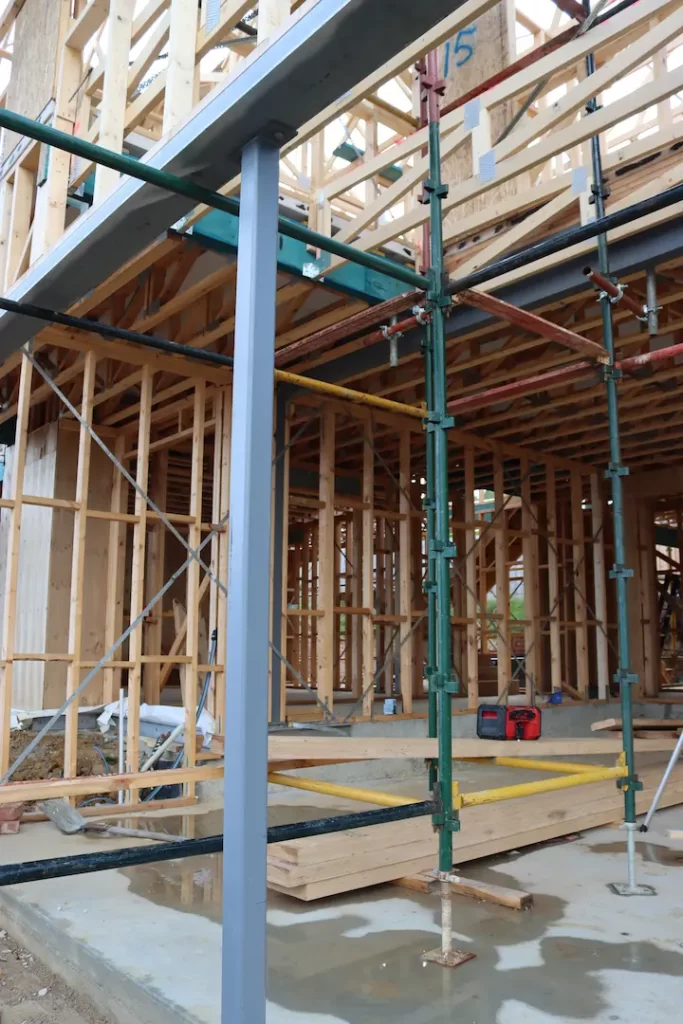
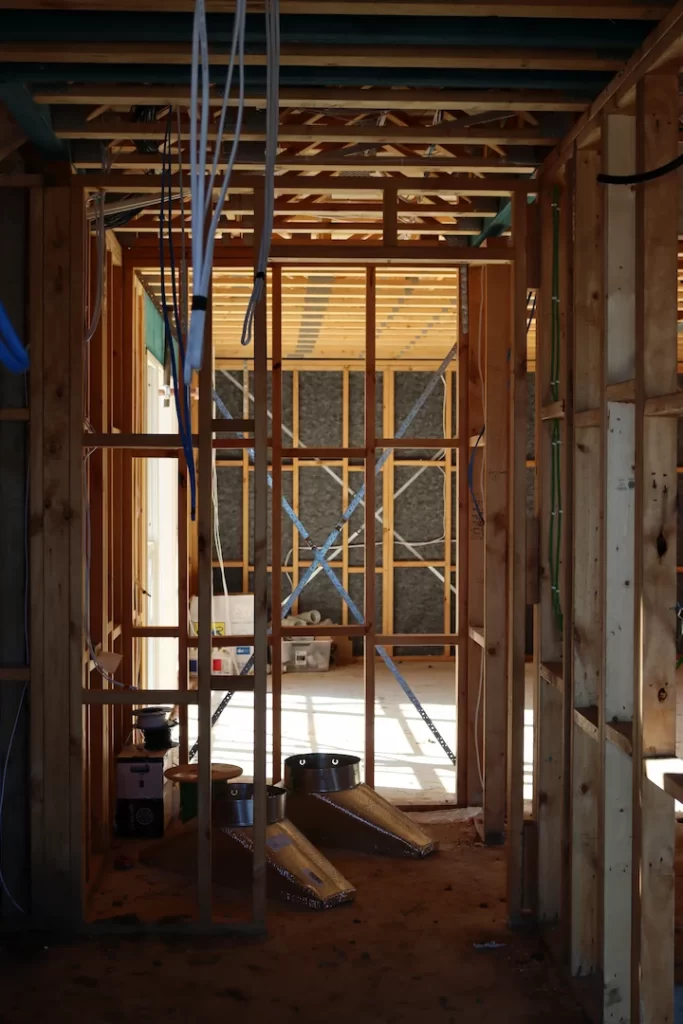
Once plasterboard is installed, the internal structure of the home is permanently concealed. Frames, services, insulation, and structural fixings disappear behind walls and ceilings, removing any practical opportunity for visual inspection.
A pre plaster inspection is the final chance to confirm that the structural “bones” of the house are sound before they are sealed.
This inspection is typically carried out after framing and services rough-in are complete, but before plasterboard installation begins.
What a Pre Plaster Inspection Covers
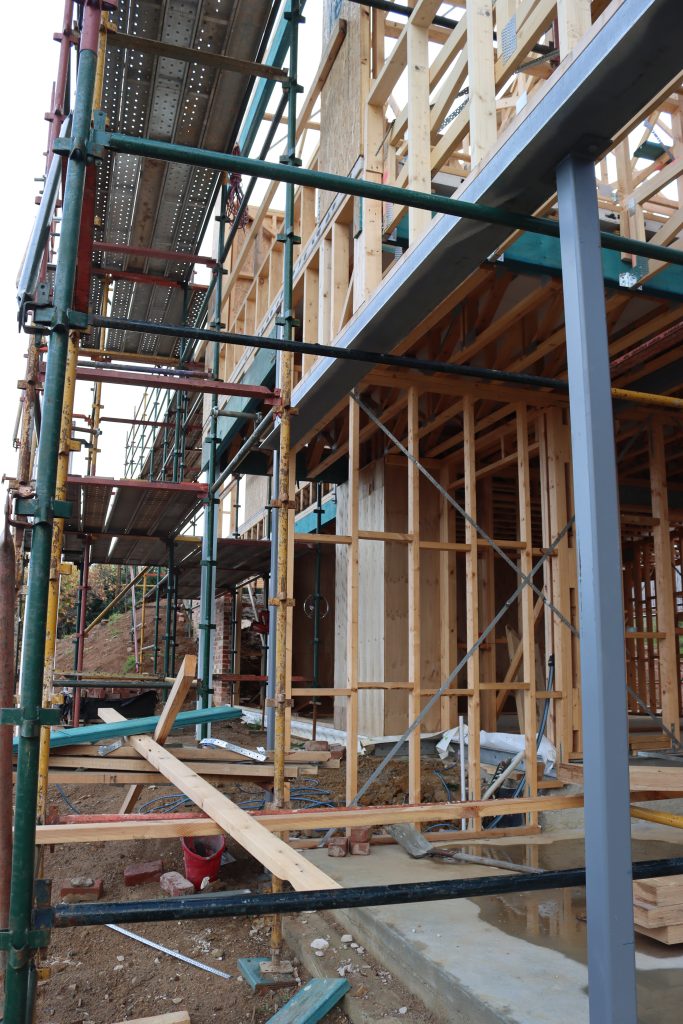
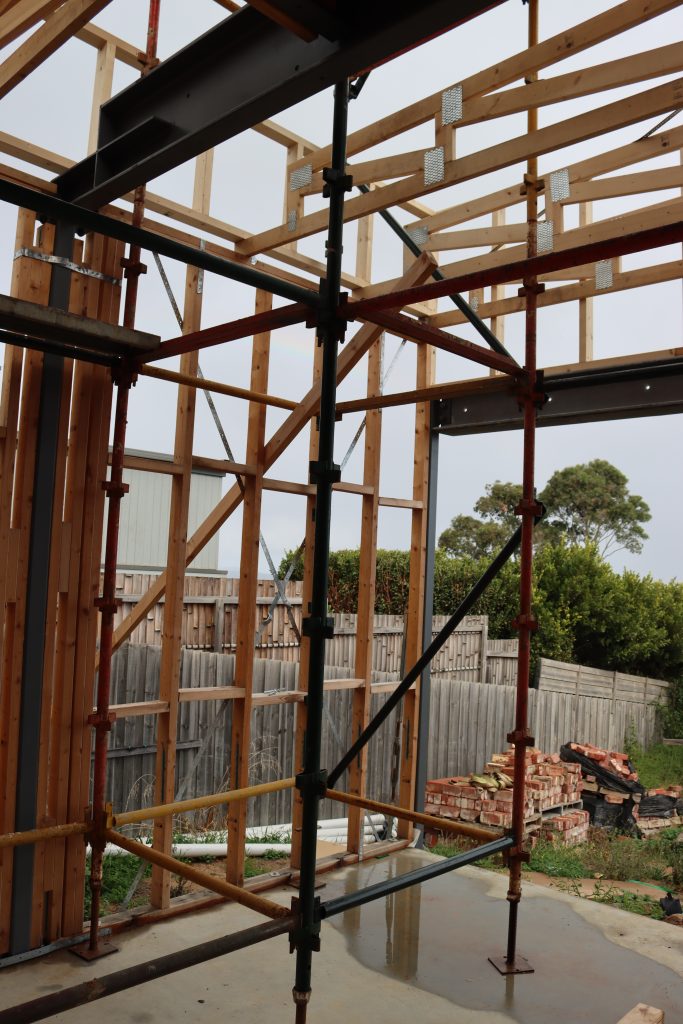
1. Frame Integrity and Workmanship
The timber or steel frame is assessed against engineering documentation and Australian Standards.
Common issues identified at this stage include:
- Bowed or twisted studs
- Over-cut top or bottom plates
- Missing or poorly installed noggings
- Inadequate bracing or fixings
These issues affect wall straightness, plaster finish quality, and the long-term durability of the structure.
2. Structural Connections and Tie-Downs
Correct fixings, straps, and tie-downs are essential for wind resistance and overall structural stability.
This becomes particularly important in two-storey homes and areas subject to higher wind loads, where inadequate connections can compromise performance over time.
3. Electrical and Plumbing Services
Services must be securely fixed and installed without compromising the structural frame.
Checks include:
- Over-notching or excessive drilling of framing members
- Unsupported pipework
- Inadequate protection of electrical cabling
Poorly installed services can weaken structural elements and create future maintenance or safety issues.
4. Insulation, Sarking, and Preparation
Before plasterboard is installed, insulation placement and coverage should be verified. Gaps, compression, or missing sections reduce thermal performance and increase long-term energy costs.
This stage also confirms that the home is properly prepared for plaster installation, reducing the risk of rework or construction delays.
Why Skipping This Inspection Is Risky
Many homeowners assume any issues will become obvious later. In reality, most framing defects are concealed once plasterboard is installed and may only reveal themselves through secondary problems months or years down the track.
A pre plaster inspection ensures defects are identified while access is still available and rectification is straightforward.
Managing the Process: Who Organises Inspections?
Owner vs Builder Responsibilities
A common question among Melbourne homeowners is who organises inspections. In short, the responsibility sits with the homeowner.
Builders arrange mandatory stage inspections required by the building surveyor. These inspections are compliance-focused and are not intended to assess workmanship quality or identify construction issues beyond minimum standards.
Independent building inspections, including pre slab and pre plaster inspections, are optional but strongly recommended. They provide an additional layer of protection that works entirely in the homeowner’s interest.
Working With Builders, Not Against Them
At Buy Wise Inspections, the aim is not to create conflict or delays on site. Inspections are carried out professionally and communicated clearly, allowing builders, site supervisors, and surveyors to address issues efficiently.
Clear reporting, photographic evidence, and references to relevant standards help ensure concerns are resolved constructively and without unnecessary disruption to the build schedule.
Building With Confidence From the Ground Up
Why These Stages Matter Most
Foundations and framing form the backbone of your home. Errors at these stages affect everything that follows.
A pre slab inspection protects what cannot be seen once concrete is poured.
A pre plaster inspection protects what disappears once walls and ceilings are closed.
Together, they significantly reduce the risk of structural defects, costly rectification works, and long-term performance issues.
Once these stages are cleared, homeowners can move forward with later inspections, such as lock-up and handover, knowing the structure beneath the finishes has been properly assessed.
If you’re planning a new build in Melbourne, sequencing inspections at the right stages provides clarity, confidence, and peace of mind throughout the construction process.
What Homeowners Say
“Had a great experience with Buy Wise Inspections. Booking was easy, the report was clear with photos and everything was explained in a way that was easy to understand. They even called to go through the report and answer our questions, which we really appreciated. It made the home buying process much less stressful. Highly recommend.”
– Kasun Mendis
“As a local buyers advocate in Melbourne, I have worked with many building inspectors. However, ever since engaging Buy Wise, they’ve become the only building inspectors we use. They are incredibly thorough, experts like no other, and their reports are comprehensive yet easy for clients to understand.”
– Haley Lim
Frequently Asked Questions
A pre slab inspection checks site preparation, reinforcement placement, moisture barriers, and plumbing before concrete is poured, when issues can still be corrected without major cost or delay.
Yes. It is the final opportunity to inspect the frame, services, and insulation before everything is sealed behind plasterboard and no longer accessible.
Most reputable builders do. Independent inspections are typically coordinated with the site supervisor to avoid delays to the construction schedule.
No. They are optional, but highly recommended. Mandatory inspections focus on compliance, not workmanship quality.
Pre slab inspections are booked before the concrete pour. Pre plaster inspections are booked once framing and services are complete but before plasterboard installation begins.
Author: Philip Guildea
 Philip Guildea is the Director of Buy Wise Inspections and a highly respected figure in Melbourne’s building and inspection industry.
Originally from Ireland, Phil moved to Australia in 2011 and began his career as a carpenter through a formal apprenticeship. He later worked within his family’s construction business before establishing his own successful construction company.
His experience spans architect-designed homes, residential developments, and major infrastructure projects across Australia. Phil is a qualified carpenter, registered builder, licensed pest technician, and licensed pool safety barrier inspector.
Every inspection is informed by real, hands-on construction experience. His approach is practical, thorough, and focused on helping homeowners make informed decisions with confidence.
Disclaimer: This article is general information only and does not replace professional building, engineering, or legal advice. Inspection requirements and site conditions vary. Always engage a qualified, independent building inspector for advice specific to your property and construction stage.