

The Price Tag of Peace of Mind
You’ve finally found the one.
A weatherboard in Glen Waverley.
A renovated terrace in Northcote.
Or a townhouse tucked just off the café strip in Coburg.
The offer’s accepted. Finance is sorted.
Now it’s time for the building and pest inspection.
Then the quote lands in your inbox.
$300.
In a city where property prices regularly push past seven figures, saving a few hundred dollars feels reasonable. Sensible, even. But after inspecting countless Melbourne homes where problems were missed on rushed inspections, it’s clear that cheaper doesn’t always mean smarter.
In Melbourne’s 2026 property market, the difference between a budget inspection and a professional one isn’t just about price. It’s about exposure. The wrong decision here can quietly turn a new home into a long-term financial drain.
After inspecting hundreds of properties across Melbourne, the same pattern shows up repeatedly: buyers focus on the quote, not what the inspection actually includes. This guide explains what building and pest inspections really cost in Melbourne, what drives those prices, and why the cheapest option so often ends up being the most expensive.
What Is the Average Building and Pest Inspection Cost in Melbourne?
Most buyers want to know one thing straight away: what should this actually cost?
Average Building and Pest Inspection Costs (Melbourne, 2026)
| Property Type | Estimated Cost (AUD) |
| 1–2 bedroom apartment or unit | $380 – $480 |
| Standard 3-bedroom house | $550 – $750 |
| Large 4+ bedroom or luxury home | $850+ |
Contextualising the 2026 Price Shift
Why the shift in 2026?
You’ve likely noticed that the cost of living in Melbourne hasn’t stayed still, and the building industry is no exception. These 2026 figures reflect a few new normals in the Victorian market. Professional Indemnity insurance premiums for inspectors and surveyors have risen sharply, alongside increased labour costs across the local construction sector.
When an inspection is priced properly, you’re not just paying for the hour spent on-site. You’re paying for the compliance, licensing, and insurance cover that protects you if something goes pear-shaped after settlement.
These figures reflect what qualified inspectors are realistically charging in Melbourne in 2026 for inspections carried out properly, not rushed, not cut short, and compliant with Australian Standard AS 4349.1. When inspections take the time they’re supposed to, this is where pricing usually lands.
If a quote comes in well below these ranges, it’s worth pausing. The question isn’t why is this cheaper? It’s what isn’t being inspected?
Why Combined Inspections Usually Make More Sense
Booking building and pest inspections separately often costs more overall. It also increases the chance of duplicated reporting or gaps in context between reports.
That’s why most buyers now choose a combined building and pest inspection. It avoids duplication, keeps all findings in one report, and provides a clearer picture of risk without paying twice for overlapping site visits.
Five Key Factors That Influence Inspection Costs
Inspection pricing varies because Melbourne properties vary often dramatically. Two homes with the same bedroom count can present completely different levels of complexity once you step on site.
1. Property Size and Layout
A single-level apartment with shared walls is relatively quick to assess. A double-storey Victorian terrace with extensions, balconies, and a detached garage is not.
More square metres mean more inspection time, more access points, and more areas where defects commonly hide.
2. Age of the Property
Older homes demand more than a checklist.
Properties built before the 1940s frequently present issues such as:
- Timber stumps and subfloor movement
- Asbestos sheeting
- Lead paint
- Outdated wiring and plumbing
These inspections take longer and rely heavily on experience, not just compliance.
More Than Just “Termites”
In Melbourne, the word pest is often used as shorthand for termites. But inspectors with boots-on-the-ground experience know the risks change depending on where the property sits geographically.
Bayside & South-East Suburbs
In areas like Brighton or Mordialloc, inspections focus heavily on salt damp and high water tables. These conditions often lead to subfloor fungal decay, an environment that becomes a welcome mat for wood-destroying pests.
Northern & Western Suburbs
In newer estates and established areas such as Eltham, inspectors remain particularly alert to the European House Borer, a pest that can remain undetected in seasoned structural timber for years.
The Clay Belt
In suburbs with highly reactive clay soils, including Glen Waverley and Box Hill, soil movement is assessed closely. Cracks in slabs or footings can act as hidden highways for timber-boring beetles to enter a home undetected.
3. Accessibility Challenges
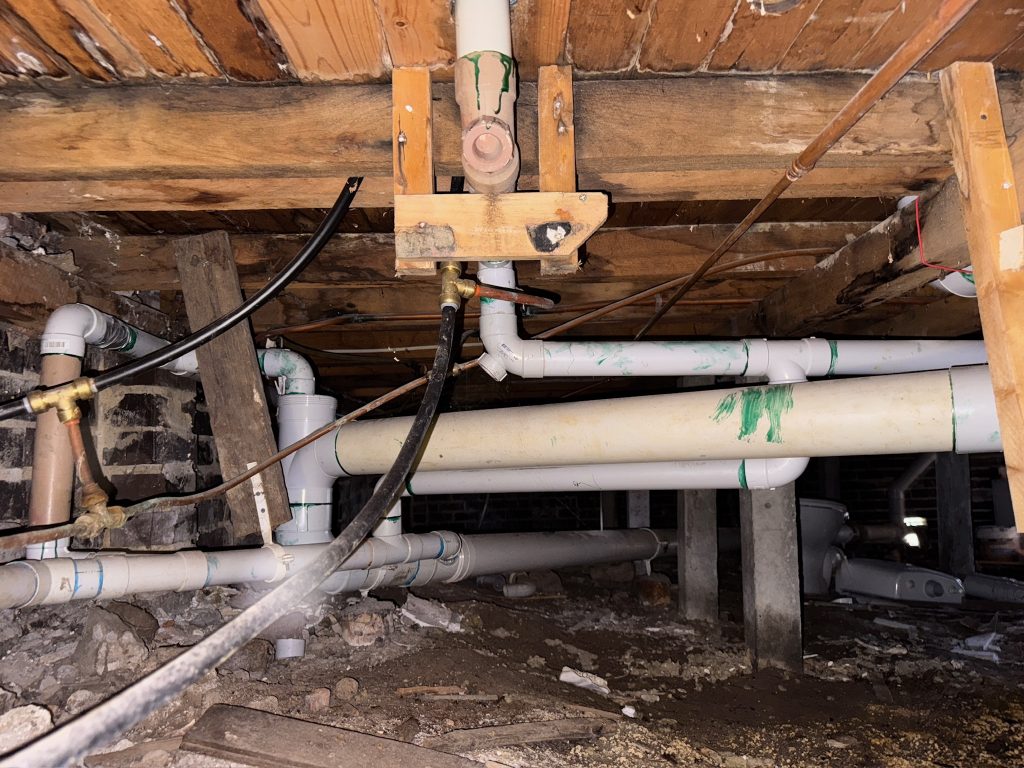
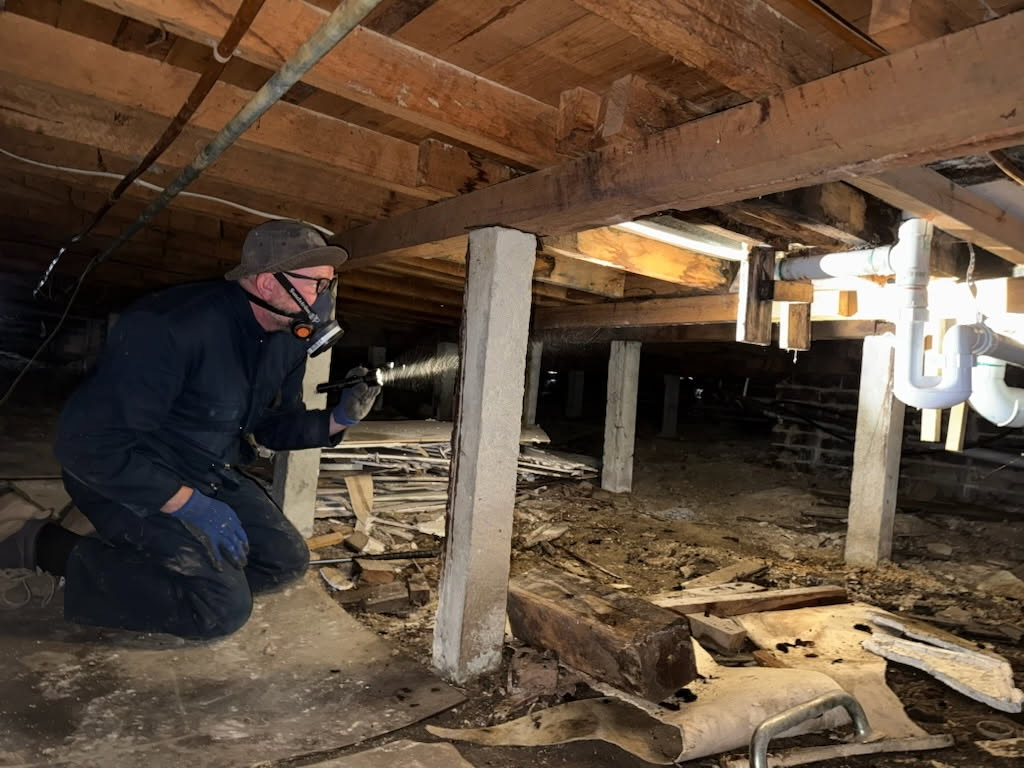
Low-clearance subfloors. Fragile rooflines. Sealed crawl spaces.
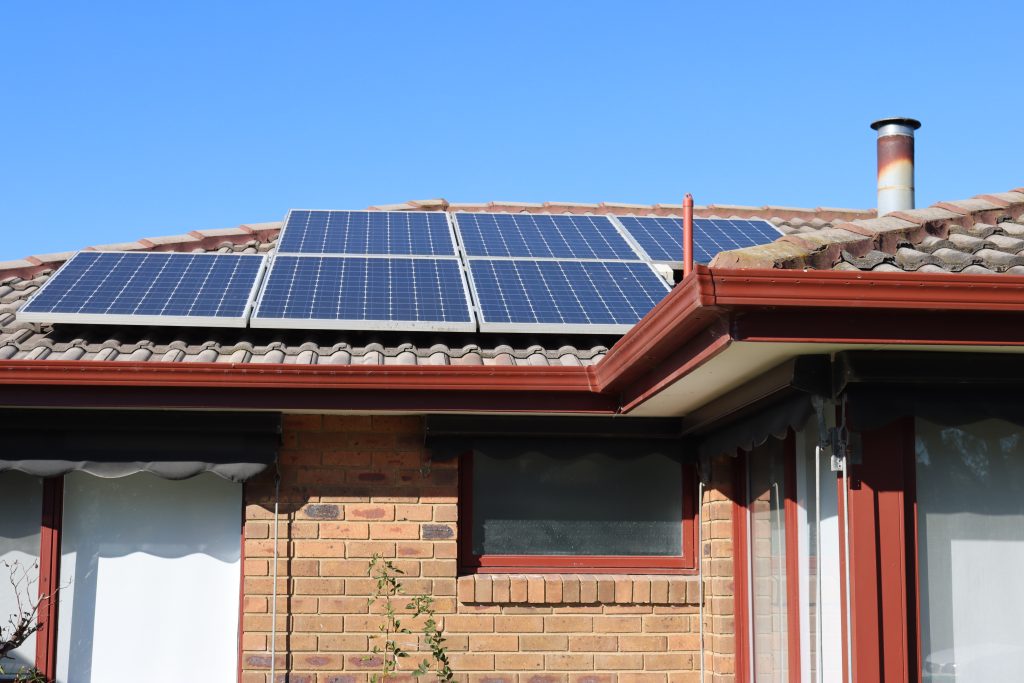
These are the areas where major issues are most often found, and the areas most commonly skipped in budget inspections. Accessing them safely can require crawl cameras, specialised ladders, or drones.
That equipment costs money, and so does the time to use it properly.
4. Technology Used
Professional inspections rely on tools that identify issues long before they become obvious, including:
- Thermal imaging for moisture and heat anomalies
- Moisture meters for rising damp and concealed leaks
- High-resolution photography for accurate documentation
These tools aren’t cheap, and they slow inspections down. But they’re also the reason early-stage defects are picked up before they turn into major repair bills.
5. Inspector Qualifications and Insurance
There’s a meaningful difference between a licensed builder with pest credentials and a general “inspection consultant.”
Qualified inspectors carry professional indemnity insurance, maintain licensing with the Victorian Building Authority (VBA), and invest in ongoing training. These inspections are conducted strictly to Australian Standard AS 4349.1, ensuring a level of rigor that budget alternatives often skip. For more on your rights as a buyer, see the Consumer Affairs Victoria guide to property inspections.
The Hidden Risks of “Budget” Inspections
Low-cost inspections cut corners far more often than buyers realise. This isn’t theoretical. It’s something seen repeatedly when purchasers seek second opinions after an earlier inspection has already been completed.
The 30-Minute Walkthrough
In practice, some budget inspections are over in under half an hour. The inspector walks through the main rooms, takes a handful of photos, and moves on to the next job.
Roof spaces aren’t entered. Subfloors aren’t accessed. Thermal imaging isn’t used.
Issues like early termite activity, moisture ingress, or structural movement can easily go undetected.
Generic, Templated Reports
Cheaper inspections often deliver templated reports filled with vague language and minimal photos.
A proper inspection report should show exactly what was inspected, where issues were found, and why they matter, supported by clear photos and language a buyer can actually understand.
Inadequate Insurance Coverage
If a major defect is missed and the inspector isn’t properly insured, the financial responsibility sits with the buyer.
In 2026, a “cheap” inspector is often someone who couldn’t keep up with the rising costs of Victorian trade licensing or the professional indemnity insurance required to stand behind their work. If they’re cutting corners on their own business protection, it’s a strong signal they may be cutting corners in places like roof cavities, subfloors, or concealed structural areas too.
That initial saving disappears quickly when faced with costs such as:
- Structural underpinning
- Termite damage repairs
- Roof replacement
- Moisture remediation
Saving $200 upfront can realistically lead to $50,000 or more in unplanned repairs.
How to Compare Inspection Quotes Properly
Price matters. But without context, it’s meaningless.
When comparing inspection quotes, clarify the following:
- Is GST included?
- Is thermal imaging standard or optional?
- Are roof and subfloor inspections included?
- Is a post-inspection phone consultation provided?
If these details aren’t clearly listed, they’re often excluded.
Ask for a Sample Report
You wouldn’t buy a car without seeing it.
An inspection report is no different.
A quality report should be easy to follow, clearly prioritised, and supported by photographs that actually show the issue being discussed.
Read the Exclusions Carefully
Budget inspections often exclude the very areas where problems are most likely to exist: roof cavities, subfloors, drainage, and outbuildings.
If it’s excluded, it hasn’t been inspected.
What Melbourne Buyers Are Saying
“Such a thorough inspection. I had no idea what to look for when purchasing a house. The inspector actually cared about what I was purchasing and guided me through the process.”
– Sandy Porteous
“Other inspectors had already looked at the property but were clearly not as thorough. The attic hatch hadn’t even been opened before.”
– Haley
Thorough inspections don’t just identify defects. They reduce uncertainty at one of the most financially significant decisions a buyer will make.
Why Experience Matters in Melbourne’s Property Market
Melbourne’s housing stock is unusually diverse. Heritage terraces, post-war builds, and modern townhouses often sit within the same street.
Inspectors need hands-on construction experience to understand how these homes were built, and, more importantly, how they tend to fail over time. This matters even more in areas with reactive clay soils, older timber construction, or decades of layered renovations.
A checklist doesn’t replace judgement.
FAQs: Building and Pest Inspection Costs in Melbourne
In 2026, most buyers can expect to pay between $550 and $750 for a standard house.
Often no. In practice, the lowest-priced inspections are where critical areas are most commonly excluded or risks downplayed.
A standalone pest inspection usually ranges from $250 to $400
No, but they are strongly recommended.
Look for inspections conducted to AS 4349.1 (building) and AS 4349.3 (pest).
Conclusion: Value Over Price
In Melbourne’s property market, a building and pest inspection isn’t a box to tick or a formality. It’s one of the few chances buyers have to understand what they’re committing to before contracts become unconditional.
A cheap inspection shouldn’t become an expensive lesson.
Call to Action
Don’t gamble on your future home. Get a transparent, fixed-price quote for your Melbourne property today.
Author
 Philip Guildea
Director, Buy Wise Inspections
Philip Guildea is a qualified carpenter, registered builder, licensed pest technician, and licensed pool safety inspector. With experience across bespoke residential builds, major infrastructure projects, and decades in construction, Phil brings practical, on-site insight to every inspection.
Disclaimer: This article provides general information only and does not constitute legal, financial, or building advice. Buyers should seek professional advice relevant to their specific circumstances before purchasing real estate.