

Why Melbourne Buyers Need to Think Differently in 2026
The Melbourne property market 2026 outlook is not just about prices. It is also about pressure.
When buyers feel they need to move quickly, especially before auction, it can be tempting to rely on the selling agent’s comments, cosmetic presentation or a quick walk-through. But market pressure can hide risk. Fresh paint, new flooring, styled furniture and tidy landscaping can all make a home feel “ready” while drainage, moisture, roof, footing or termite issues remain out of sight.
Some forecasts point to improving Melbourne market conditions in 2026, although projections vary between institutions. OpenAgent’s 2026 market summary, for example, notes a range of major-bank forecasts for Melbourne and describes a gradual recovery rather than a uniform surge.
This is why inspection strategy matters. A pre-purchase building inspection Melbourne buyers organise before signing or bidding can give them more than a defect list. It can help them understand likely repair priorities, negotiation points, future maintenance and whether a property suits their risk tolerance.
A rushed buyer might ask, “Is the house okay?”
A better 2026 question is: “What does this property’s location, age, construction and site condition suggest we should look at more closely?”
What Changed for Melbourne Buyers in 2026?
Melbourne buyers are facing a different inspection landscape in 2026. Market pressure is returning in some suburbs, new housing estates are expanding across growth corridors, and there is growing discussion around seller-provided building and pest reports.
For buyers, this means inspection quality and independence matter. A report should not just confirm whether a home has visible defects. It should help explain the risks most relevant to the property’s location, age, soil conditions, drainage, construction type and maintenance history.
Property type / area | Common inspection focus |
Clyde North / Officer / Pakenham new estates | Drainage, slab edges, site fall, workmanship, waterproofing |
1960s–1980s brick veneer homes | Roof, gutters, subfloor ventilation, drainage, termite history |
Bayside / coastal-influenced suburbs | Corrosion, moisture, roof fixings, timber decay, ventilation |
Inner-suburban terraces / renovated homes | Damp, old wet areas, DIY works, roof drainage, extensions |
Whether a report is arranged by the buyer, seller or agent, buyers should check who prepared it, what qualifications they hold, what areas were accessible and whether the report is detailed enough to support a purchase decision.
The Suburb Factor: Why Inspection Risks Change Across Melbourne
Melbourne is not one property market from an inspection point of view. A qualified inspector should not assume every home in a particular suburb has problems. They are using local knowledge to decide where to look harder.
In south-east Melbourne suburbs and growth corridor areas such as Clyde, Clyde North, Cranbourne East, Officer and Pakenham, buyers may be looking at newer estates, recently completed homes or properties built during periods of strong construction demand. These homes can present different inspection considerations from older inner-suburban homes. Drainage, site fall, slab edges, soil movement, workmanship, waterproofing and incomplete works can all be worth closer attention.
In established eastern and southern suburbs, the focus may shift. A 1960s or 1970s brick veneer home may have ageing roof coverings, old guttering, subfloor ventilation issues, drainage problems, older plumbing, past termite activity or renovation work completed to varying standards.
Bayside, sandy or coastal-influenced areas can create another set of watchpoints. Moisture, salt air, roof fixings, drainage, corrosion, ventilation and timber elements may need careful review, particularly where homes have been extended or partially renovated over time.
Inner suburbs can bring their own inspection complexity. Older housing stock, lean-to extensions, previous DIY work, damp subfloors, roof drainage problems, rising damp, old wet areas and non-uniform renovations can all affect the true condition of a property.
The key point is not that one area is “bad” and another is “safe”. It is that location influences risk. This is why a Melbourne inspection report should be tailored to the property, not just the suburb name.
Reactive Clay Soil and Foundation Movement: A 2026 Buyer Watchpoint
Reactive clay soil is soil that expands and contracts as moisture levels change. When it becomes wetter, it can swell. When it dries out, it can shrink. That movement can affect footings, slabs, walls and drainage.
The Victorian Building Authority explains that soil tests classify how reactive soil is and how much it may shrink or swell with moisture changes. It also notes that the more reactive the soil, the greater the possibility of excessive movement in house footings.
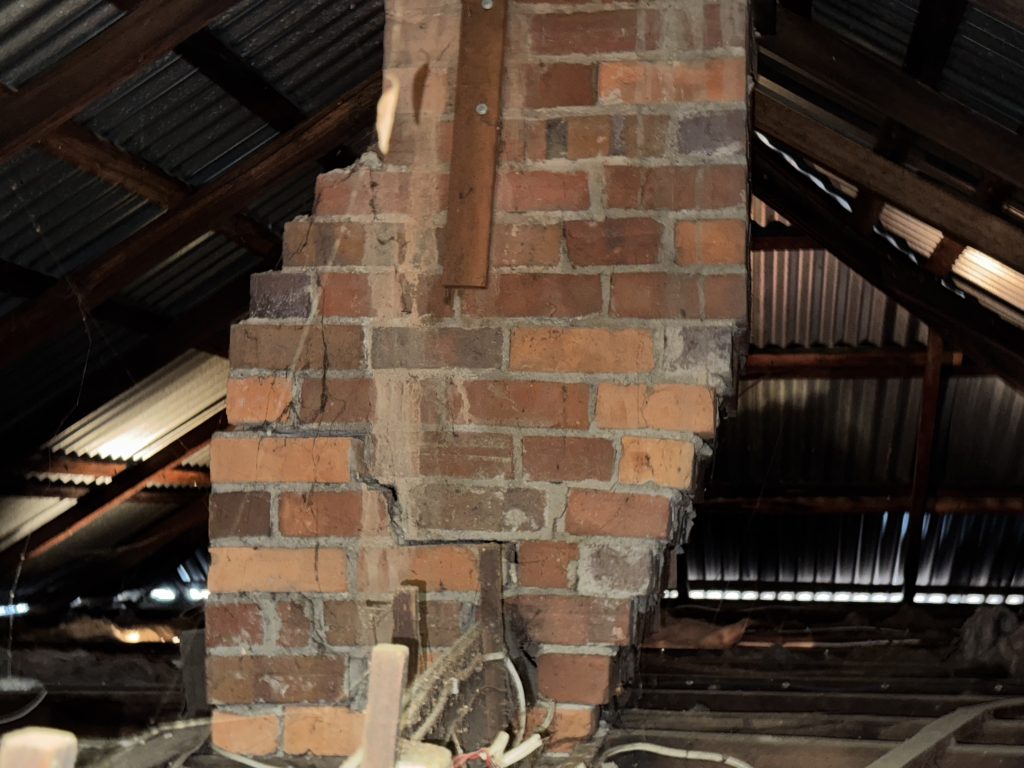
For buyers, this does not mean every crack is serious. Many homes experience minor movement. But cracks, sticking doors, uneven floors, gaps around frames, sloping paving, poor stormwater discharge or water pooling near the building should be looked at carefully.
Drainage is especially important. Reactive clay soil Melbourne conditions can become more problematic when stormwater is not carried away properly, when garden beds are built too high against walls, when downpipes discharge near footings, or when paving slopes back towards the home.
New estates and newer homes are not automatically risk-free. Even when a home has been engineered for its site classification, poor drainage, landscaping changes, plumbing leaks, inconsistent site moisture or construction shortcuts can still contribute to foundation movement Melbourne buyers need to understand.
For deeper information on visible cracking and movement, buyers can also read BuyWise’s guide to building foundation problems.
New Builds vs Established Homes: Which Carries More Risk?
Both can carry risk, but the risks are different.
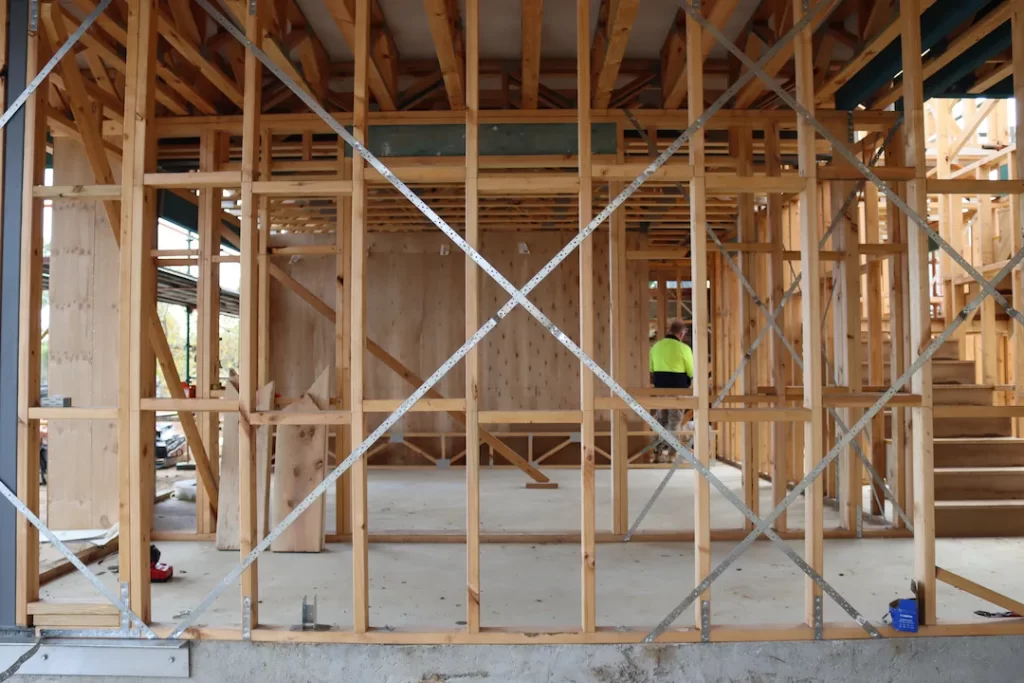
First-time home buyers and families often like newer homes and estates because they look modern, don’t need as much immediate cosmetic work, and may have modern layouts. But just because a home is newer doesn’t mean it doesn’t have problems. Common issues to watch out for include poor surface drainage, slab or footing concerns, waterproofing defects, roof plumbing problems, missing flashings, incomplete works, poor finishes, cracked render, uneven paving, garage drainage issues, or workmanship that doesn’t meet the display home standard.
This is especially important when buyers are buying homes that have just been built or are arranging new build inspection Melbourne services before handover. Independent stage and pre-handover checks can help find problems while the builder is still responsible for fixing them. BuyWise offers new home and stage inspections for buyers and owners who want independent checks during construction or before completion.
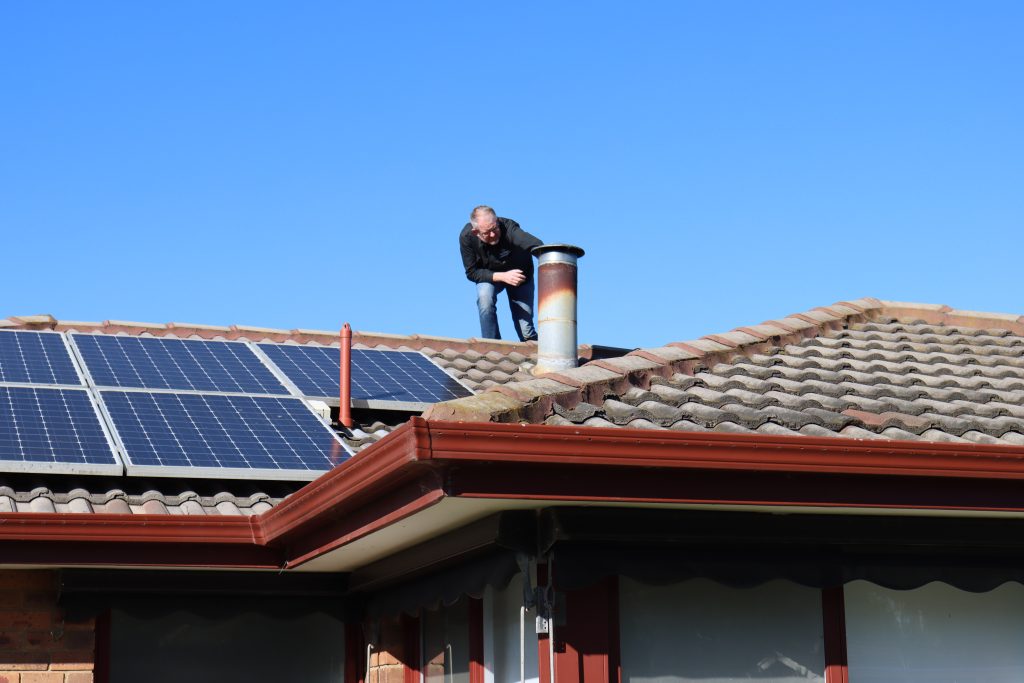
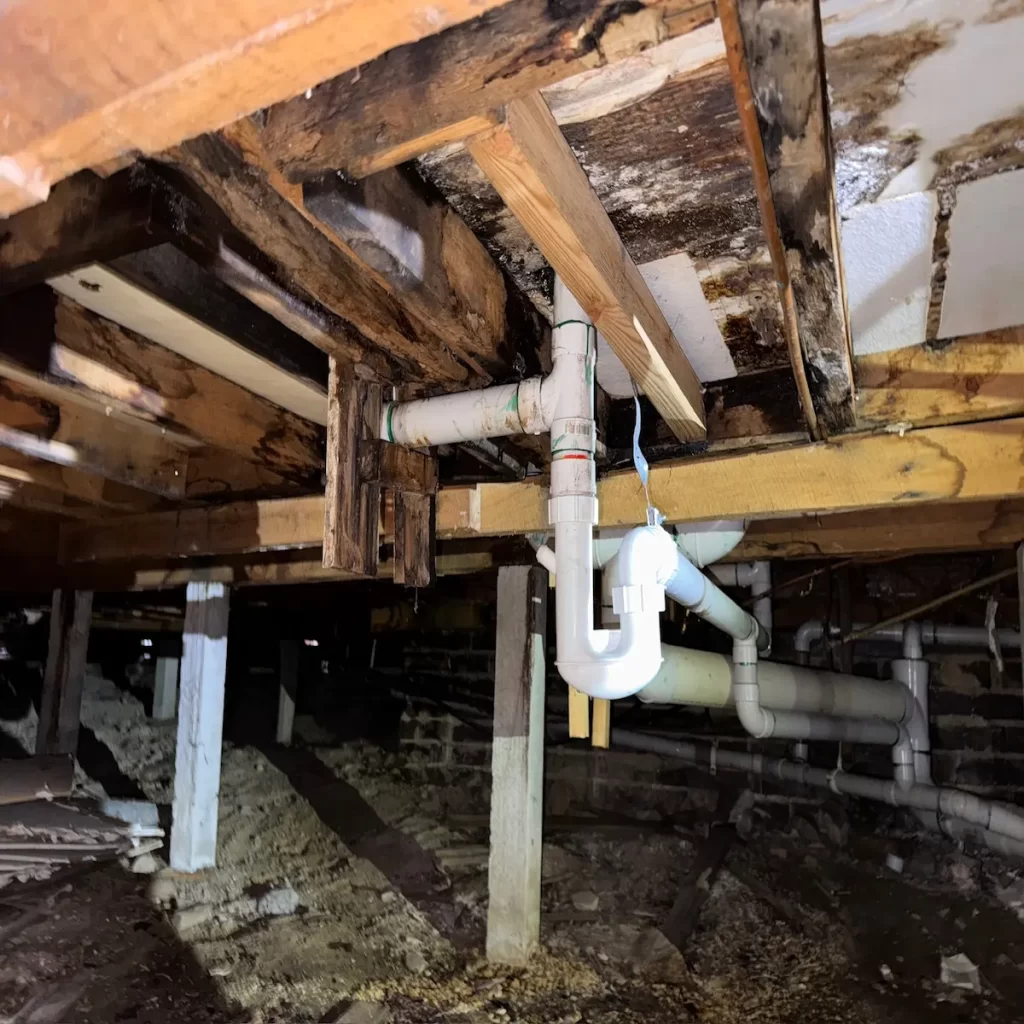
Established homes bring a different set of concerns. Age-related deterioration may include roof defects, rusted gutters, cracked roof tiles, decayed fascia boards, damp subfloors, poor ventilation, old drainage, outdated wet areas, termite damage, timber decay, previous patch repairs, old plumbing or renovation work completed without consistent quality.
An older home that looks great on the outside may still have hidden moisture, roof leaks, problems with the subfloor, or a risk of wood pests. A neat new home may still have poor falls, waterproofing issues or incomplete works. The inspection approach should match the property, not the brochure.
What a Building Inspector in Melbourne Should Be Looking For in 2026
A building inspector Melbourne buyers choose in 2026 should be looking beyond surface presentation. The inspection should connect what is visible on site with the likely risk profile of the property.
Practical inspection priorities include:
- Roof condition, including tiles, metal roofing, flashings, valleys and roof plumbing
- Gutters, downpipes and stormwater drainage
- Cracking, movement, uneven floors and sticking doors
- Moisture readings in wet areas and suspect wall/floor zones
- Subfloor ventilation and dampness where access is available
- Termite activity, previous timber damage or conducive conditions
- Waterproofing defects in bathrooms, balconies and laundries
- Poor workmanship, incomplete works or non-standard repairs
- Safety hazards such as loose balustrades, unsafe steps or deteriorated decks
- Evidence of rushed repairs, cosmetic cover-ups or recent patching
A strong property inspection report Melbourne buyers can use should be clear, photo-backed and practical. It should help the buyer understand what is minor, what may need further investigation and what could affect their decision to proceed.
BuyWise inspectors are registered builders and licensed pest inspectors, and BuyWise states that its detailed reports are carried out in accordance with Australian Standards and include photographs to help identify areas of concern. Reports are also provided within 24 hours of the onsite visit, according to BuyWise’s “Why Us” page.
Building and Pest Inspection Cost Melbourne: How to Think About Value
When buyers search building and pest inspection cost Melbourne, they are often trying to work out whether the inspection is “worth it”.
The better way to think about it is risk management.
The cost of an inspection can vary depending on the property size, age, location, access, complexity, inspection scope and whether a combined building and timber pest report is required. BuyWise’s cost guide also explains that there is no one-size-fits-all answer because price depends on factors such as size, age, location and complexity.
The more useful comparison is not inspection fee versus no inspection fee. It is inspection fee versus the possible cost of discovering major issues after settlement.
Examples include structural movement, termite damage, roof repairs, drainage failure, waterproofing defects, unsafe decks, subfloor deterioration, leaking wet areas or major building defects Melbourne homes may hide behind cosmetic presentation.
A detailed report may help a buyer renegotiate, request repairs, budget properly, walk away or proceed with greater confidence. For auction buyers, it may help set a bidding limit based on the real condition of the property rather than emotion on the day.
At Buy Wise, a building and pest inspection Melbourne clients rely on is designed to give practical information quickly, with detailed photographic reporting. BuyWise has helped 50,000+ clients and provides services across pre-purchase, pre-auction, vendor/pre-sale, new home and stage inspection situations.
Questions to Ask Before Booking an Inspection
Before booking, buyers should ask questions that reveal the quality of the inspection, not just the price.
Ask:
- Is the inspector a registered builder?
- Is the pest inspector licensed?
- Will the report include clear photos?
- Will the report explain major defects, minor defects and safety issues clearly?
- How quickly will I receive the report?
- Can I speak with the inspector after the inspection?
- Does the inspector understand Melbourne-specific property risks?
- Does the inspection consider drainage, movement, moisture and termite risk?
- Is the report suitable for pre-auction or pre-purchase decision-making?
These questions matter because Melbourne’s housing stock is varied. A townhouse in a new estate, a brick veneer home in Narre Warren, a renovated house in Moorabbin and a period home in Brunswick may all require different inspection judgement.
If termites are a particular concern, buyers can also read BuyWise’s guide to timber pest inspections Melbourne.
Final Word: In 2026, Local Knowledge Matters
In 2026, Melbourne buyers need more than a generic inspection. They need suburb-aware reporting from an experienced building inspector Melbourne buyers can trust.
The right inspection does not assume a property is defective. It simply recognises that risk changes by location, age, build type, soil, drainage, maintenance history and market pressure.
For buyers in Melbourne growth corridors, the focus may be drainage, soil movement, slab edges, workmanship and new estate conditions. For established suburbs, the concern may be roof deterioration, damp, subfloor ventilation, termite risk, renovations and long-term maintenance.
A good inspection helps turn uncertainty into practical decision-making.
If you are buying, bidding or comparing homes in 2026, request a quote for a building and pest inspection Melbourne buyers can rely on through BuyWise’s main service page.
FAQ
Yes, it is often worthwhile. New homes can still have drainage defects, incomplete works, waterproofing issues, roof plumbing problems, slab concerns or poor workmanship. An independent inspection can identify visible issues before settlement, handover or the end of a builder rectification period.
Reactive clay soils can be a watchpoint in parts of Melbourne because they expand and contract with moisture changes. This movement may contribute to cracking, uneven floors, sticking doors or footing movement, especially where drainage is poor or moisture conditions around the home are inconsistent
Buyers should be careful in any suburb where the property type, age, soil, drainage or maintenance history creates risk. In south-east growth areas such as Clyde, Clyde North, Cranbourne East, Officer and Pakenham, newer estate drainage, soil movement and workmanship may deserve attention. In established suburbs, ageing roofs, damp, termites, subfloor issues and older renovations may be more relevant.
The cost varies depending on the property size, age, location, access, complexity and whether you need a combined building and timber pest report. Rather than choosing purely on price, compare qualifications, report detail, photos, turnaround time and whether you can speak with the inspector after the inspection.
Look for a registered builder, a licensed pest inspector, strong local experience, photo-backed reports, Australian Standards reporting, clear explanations and fast turnaround. A good building inspector Melbourne buyers can rely on should understand local issues such as reactive clay soil, drainage, termites, waterproofing and suburb-specific property risks.
Author
PHILIP GUILDEA – Director of Buy Wise Inspections
 Philip Guildea, known as Phil, is the owner and director of Buy Wise Inspections. Originally from Ireland, he has called Australia home since 2011.
Phil began his career as a carpenter through a formal apprenticeship before contributing to his family’s construction business. He later established his own successful construction company, delivering projects ranging from architect-designed homes to major infrastructure works.
He is a qualified carpenter, registered builder, and licensed pest technician. His expertise also includes pool safety barrier inspections and specialised building advice.
Phil is widely respected in the inspection industry for his practical knowledge, attention to detail, and commitment to helping clients make informed decisions. His approach is grounded in experience and a genuine interest in property performance and safety.
Disclaimer: This article is for general informational purposes only and does not constitute professional advice. Building inspections are conducted in accordance with Australian Standard AS 4349.1 and are limited to a visual, non-invasive assessment of the property on the lot title at the time of inspection.
This content does not include assessment of common property, shared services, strata records, legal boundaries, or compliance matters. For legal or specialised advice, consult appropriately qualified professionals.