

Buying a new home in Melbourne is an exhilarating adventure, isn’t it? From the initial dizzying excitement of finding “the one” to the nail-biting anticipation of settlement, it’s a journey filled with hopes, dreams, and a fair few significant financial decisions. But amidst all the paperwork, the legalities, and the interior design daydreams, there’s one crucial step that often gets overlooked, undervalued, or rushed: the pre-handover inspection.
Think of it as the grand finale of your property acquisition performance. It’s your last, best chance to ensure that the stage is set perfectly, that there are no hidden props out of place, and that the curtain can rise on your new life without any unwanted surprises. In the hustle and bustle of moving, many buyers mistakenly see this as a mere formality, a quick once-over before receiving the keys. But let me tell you, that’s where savvy homeowners distinguish themselves. A thorough pre-handover inspection isn’t just a checkbox; it’s your ultimate safeguard, your peace of mind, and ultimately, a smart investment of your time.
Why “Just Trusting” Isn’t Enough: The Melbourne Property Landscape
Melbourne’s property market is dynamic, competitive, and for the most part, built on good faith. Developers and builders strive to deliver quality, and most do. However, human error, unforeseen site challenges, and the sheer complexity of modern construction mean that imperfections can and do occur.
This is also why earlier-stage checks, such as a lock-up stage inspection, are just as critical, they help catch problems before they become bigger issues at handover.
Imagine you’re buying a brand-new car. You wouldn’t just drive it off the lot without checking for dings, ensuring the air conditioning works, or confirming all the features are present, would you? Your home is infinitely more complex and expensive than a car. It’s a structure with hundreds, if not thousands, of individual components, systems, and finishes. To assume absolute perfection without verification is to leave yourself vulnerable to potential headaches, unexpected repair costs, and significant stress down the line.
Beyond the Shiny Facade: What a Pre-Handover Inspection Really Uncovers
Many people associate a pre-handover inspection solely with “snagging”, finding minor cosmetic issues like a scratch on a benchtop or a paint smudge. While these are certainly part of the process, a comprehensive inspection delves far deeper. It’s about scrutinising the functionality, safety, and structural integrity of your brand-new asset.
Consider these potential scenarios that a diligent inspection can prevent:
- The “Silent Leak”: A poorly sealed shower recess or a loose pipe connection behind a wall might not be immediately obvious, but it can lead to extensive water damage, mould growth, and costly structural repairs months or even years after you move in.
- The “Electrical Enigma”: Faulty wiring, non-compliant power points, or incorrectly installed fixtures can pose serious safety hazards and are often not visible to the untrained eye.
- The “Structural Slinky”: While major structural defects are rarer in new builds, minor issues like uneven flooring, sticking doors (indicating frame issues), or inadequate drainage can escalate into significant problems if left unaddressed.
- The “Finishing Faux Pas”: Beyond a simple scratch, imagine incorrectly installed cabinetry, grout missing in critical areas, or even the wrong fixtures fitted compared to your contract. These aren’t just aesthetic; they impact usability and the long-term value of your home.
- The “Appliance Absentee”: Have all the specified appliances been installed and are they in working order? This includes checking everything from the oven and dishwasher to air conditioning units and hot water systems.
- The “Outdoor Oversight”: Is the landscaping as per the plan? Are the fences secure? Is the external drainage adequate to prevent water pooling around your foundations?
Without a professional eye, many of these issues would go unnoticed until you’ve already moved in, unpacked, and started living in the space. By then, rectifying them becomes a far more disruptive and often contentious process.
For a smoother build journey overall, combining your pre-handover inspection with stage-by-stage checks, like a fixing stage inspection, gives you even greater confidence that your home has been properly constructed from start to finish.
The Power of Professionalism: Why DIY Isn’t Always Your Best Mate
“Can’t I just look it over myself?” you might ask. And yes, you absolutely can walk through your new home and point out obvious flaws. However, a professional building inspector brings a level of expertise, experience, and an impartial perspective that is incredibly difficult to replicate as an excited, emotionally invested buyer.
Here’s what a professional inspector offers:
1. Trained Eye: They know exactly what to look for, where to look for it, and the common pitfalls associated with specific building techniques and materials. They can spot subtle clues that indicate deeper issues.
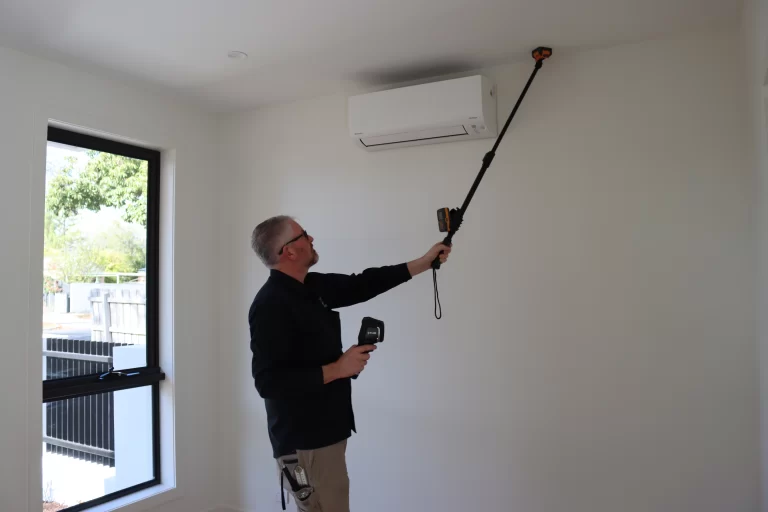
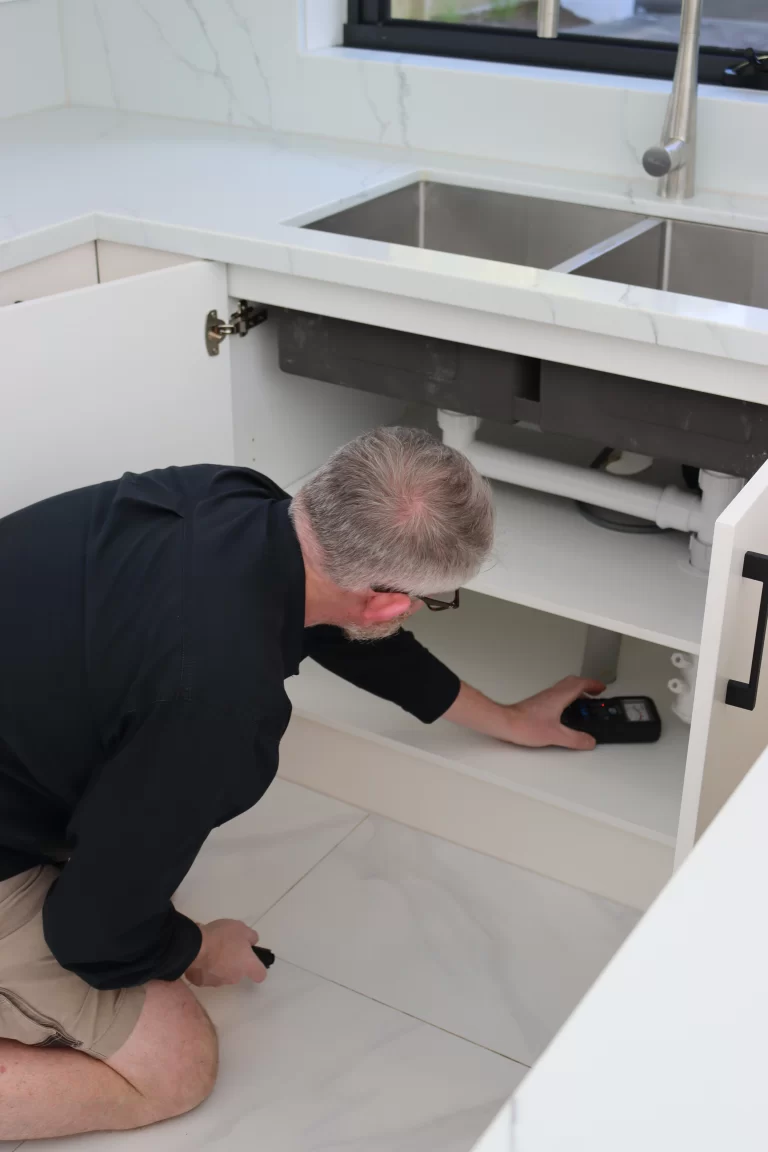
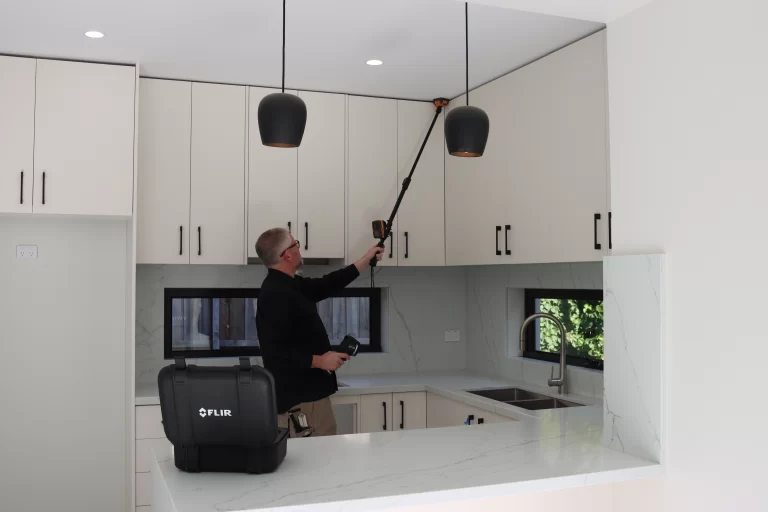
2. Specialised Equipment: From moisture meters that detect hidden leaks to thermal cameras that can identify insulation gaps or electrical hotspots, inspectors often utilise tools that provide insights beyond what the naked eye can see.
3. Comprehensive Checklists: Professional inspectors follow rigorous checklists, ensuring no stone is left unturned. This systematic approach guarantees consistency and thoroughness.
4. Understanding of Melbourne Standards & Building Codes: This is paramount. An inspector can identify non-compliance issues that could have significant safety and legal implications. They speak the language of compliance and construction.
5. Impartiality: They have no emotional attachment to the property, only a professional commitment to providing an accurate assessment. This unbiased view is invaluable when dealing with builders.
6. Detailed Report: You won’t just get verbal feedback. You’ll receive a comprehensive, written report detailing all findings, often accompanied by photographic evidence. This document is a powerful tool for negotiation and ensuring rectification.
This isn’t to say you shouldn’t do your own walkthrough! By all means, take photos, test everything you can, and make your own list. But let your efforts complement, not replace, the work of a qualified professional.
The Nitty-Gritty: What Exactly Does a Pre-Handover Inspection Cover?
A thorough pre-handover inspection in Melbourne typically scrutinises almost every accessible aspect of the property, inside and out. While specific inclusions can vary, you can expect an inspector to meticulously examine:
External Elements
* Roof: Checking for damaged tiles/sheeting, proper flashing, guttering, downpipes, and overall structural integrity.
* Walls: Assessing brickwork, rendering, cladding for cracks, alignment, and finish.
* Foundations/Slab: Looking for signs of movement, cracks, or inadequate drainage around the perimeter.
* Fascia, Soffits & Eaves: Checking for secure fitting, paint condition, and any signs of water entry.
* Doors & Windows: Ensuring correct installation, smooth operation, seals, and locking mechanisms.
* Driveways & Paths: Cracks, subsidence, proper grading for drainage.
* Fencing & Gates: Security, condition, and compliance.
* Landscaping & Drainage: Proper grading away from the house, functioning storm water systems.
* External Fixtures: Lights, taps, clotheslines, letterboxes, ensuring they are present and functional.
Internal Elements
* Ceilings: Cracks, water stains, sagging, paint finish, cornices.
* Walls: Paint finish, plaster imperfections, straightness, and alignment.
* Flooring: Levelness, scratches, damage, correct installation of tiles/timber/carpet.
* Doors & Windows: Smooth operation, fit within frames, hardware, locks, and glazing.
* Kitchen: Cabinetry (alignment, damage, functionality), benchtops (scratches, chips, joins), splashbacks, sink, tapware, and all specified appliances (oven, cooktop, rangehood, dishwasher) for operation.
* Bathrooms/Ensuites/Laundry: Tiling (grout, sealing, cracking), shower screens, basins, toilets, tapware, adequate drainage, exhaust fans, and cabinetry. Checking for leaks around wet areas is critical.
* Plumbing: Water pressure, hot water system operation, visible pipes for leaks, correct tap hot/cold orientation.
* Electrical: Power points (presence, safety switches/RCDs), light fittings, ceiling fans, switches, smoke detectors (presence and functionality), oven, air conditioning units.
* Storage: Wardrobes, linen closets, checking shelving, doors, and internal finish.
* Staircases: Treads, risers, handrails, balustrades for safety and compliance.
* Ventilation: All rooms have adequate ventilation, including exhaust fans in wet areas.
Safety & Compliance
* Smoke Alarms: Correct number and placement, functionality.
* Safety Switches (RCDs): Presence and test button functionality.
* Handrails & Balustrades: Correct height and spacing for safety.
* Glazing: Compliance with safety glass requirements in critical areas.
This exhaustive list demonstrates the sheer volume of elements that need scrutiny. It’s a testament to why a professional inspector is such an invaluable asset.
Timing is Everything: When to Schedule Your Inspection
The clue is in the name: “pre-handover.” This inspection should ideally take place after construction is complete but
Why this specific window?
Leverage
At this stage, the builder is keen to finalise the sale, and you, as the buyer, still have considerable leverage to insist on rectification of any identified issues. Once you’ve moved in and paid, your power diminishes significantly, and resolving defects can become a protracted battle.
Access
The property should be clear of tradespeople and their equipment, allowing the inspector full and unobstructed access to all areas.
Rectification Opportunity
This timing allows the builder a reasonable opportunity to address any “defects and omissions” (D&Os) identified in the report before settlement. This leads to a smoother transition for everyone.
It’s crucial to communicate with your builder or developer well in advance to arrange a suitable time for the inspection. Ensure they understand it’s a condition of your final payment and that you expect all identified issues to be rectified within a reasonable timeframe.
The Post-Inspection Playbook: What Happens Next?
Once your inspector has completed their assessment, you’ll receive a detailed report. This isn’t just a list of problems; it’s your action plan.
Review the Report Thoroughly
Go through every point. Understand the severity and implications of each identified defect.
Liaise with Your Builder/Developer
Present the report to them. This forms the basis of your “Defects and Omissions” list. Most reputable builders will have a process for addressing these.
Agree on Rectification
Discuss how and when the builder will rectify the issues. For significant problems, you might want to schedule a re-inspection to ensure the work has been completed to an acceptable standard.
Don’t Settle Until Satisfied
While minor cosmetic snags might be acceptable to be addressed post-settlement (with a clear agreement in place), do not settle if there are significant safety, structural, or functionality issues outstanding. Your contract should have provisions for withholding a portion of the payment or delaying settlement until these are resolved.
The Takeaway: Your New Home Deserves a Flawless Start.
Buying new? Don’t skip your pre-handover inspection! It’s your critical final check to ensure your biggest investment is safe, sound, and perfect from day one. Save yourself future headaches and costs, get it inspected!
Ready to Ensure Your Dream Home is Flawless?
Don’t leave your significant investment to chance. Book a professional pre-handover inspection today and step into your new Melbourne home with complete confidence and peace of mind.

FAQ
Absolutely! While new homes are generally built to high standards, human error and minor imperfections are common. An inspection ensures your investment is sound, safe, and free from defects before you take ownership. It’s your last chance to get issues fixed by the builder.
You can certainly do your own walkthrough for obvious cosmetic issues. However, a qualified professional building inspector has the trained eye, specialised equipment, and knowledge of Melbourne building codes to uncover hidden or structural defects that you might miss. Their impartial report is also a powerful tool for negotiation.
It should always be scheduled after construction is fully complete, but critically, before you make your final payment and receive the keys. This timing gives you maximum leverage with the builder to ensure all identified defects are rectified.
Inspectors examine everything from major structural concerns, plumbing and electrical faults, roof integrity, and proper drainage, down to the finishes like paint, tiling, and cabinetry. They’re looking for anything that deviates from acceptable building standards, is damaged, or not fit for purpose.
The inspector will provide a detailed report of all defects. You then present this report to your builder/developer. They are generally obliged to rectify these “defects and omissions” before settlement. For major issues, you might even delay settlement or withhold a portion of payment until satisfied.
The duration depends on the size and complexity of the property, but generally, you can expect an inspection to take anywhere from 1 to 3 hours. A comprehensive report will follow shortly after.