

A weatherboard in Frankston and a brick veneer in Berwick can look equally sound online. Both may even “pass” a standard inspection.
But they sit in very different environments, and that matters.
Across Melbourne’s southern corridor, soil conditions, groundwater, coastal exposure and vegetation all influence how a home performs over time. A construction method that works well in one suburb can struggle in another.
As inspectors working throughout the South East and Bayside areas, we assess properties in context, not just against a checklist. Local ground conditions, coastal exposure and development patterns shape how we interpret what we see.
If you’re buying in these areas, it’s worth understanding the risks before you commit.
This guide moves beyond generic property inspections Melbourne and into suburb-specific risk. If you’re buying in these areas, it’s worth understanding the risks before you commit.
Zone 1: South East “Clay Belt” (Growth Corridor)
Key suburbs: Berwick, Officer, Pakenham, Cranbourne, Narre Warren, Dandenong
Primary Risk: Reactive Clay Soils
Large parts of Melbourne’s South East sit on highly reactive clay. When moisture levels change, clay expands and contracts. Over time, that movement can place stress on slabs and footings.
Typical outcomes include:
- Heave (upward slab pressure)
- Settlement (downward movement during dry periods)
- Progressive cracking
In newer estates across Pakenham and Officer, most homes are slab-on-ground construction. While compliant with code at the time of build, soil reactivity can vary significantly between neighbouring lots. If the site classification and slab design aren’t properly aligned, movement is common.
Common Issues We See
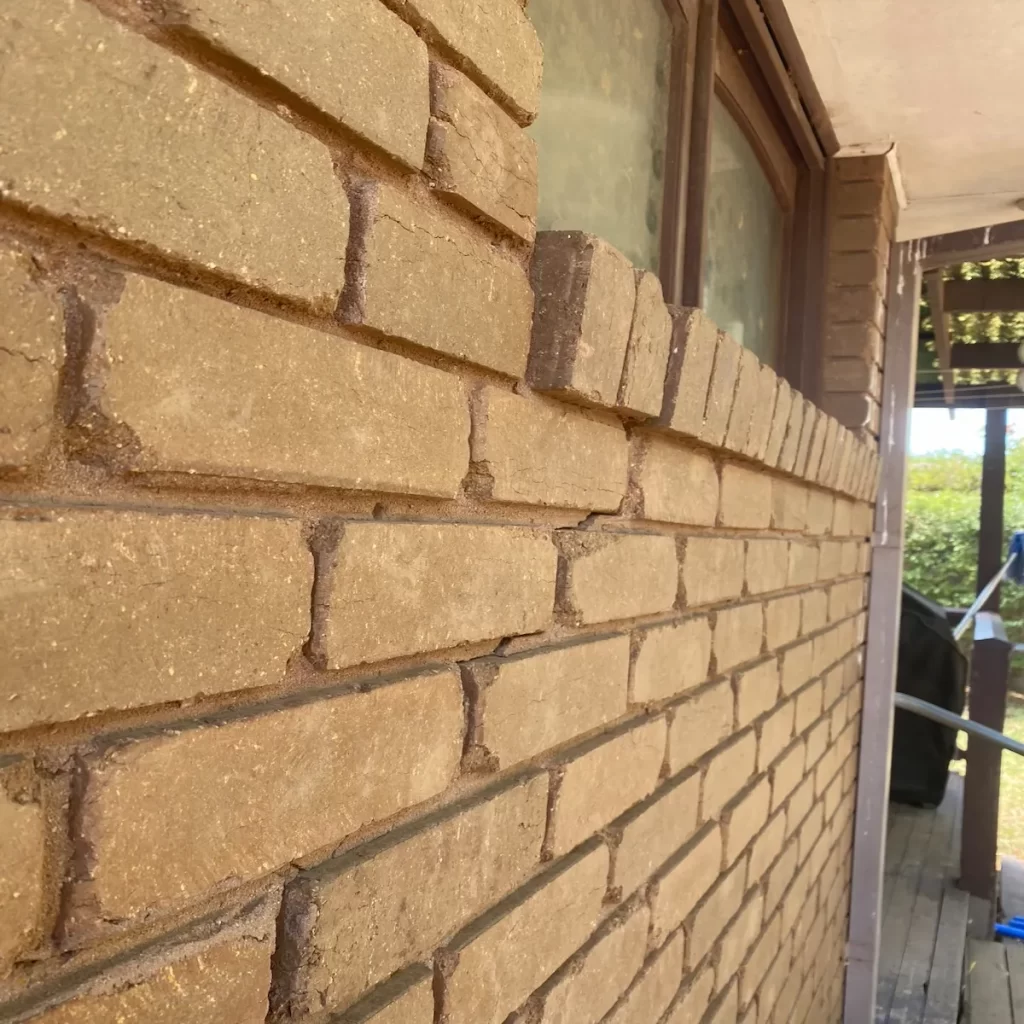
- Stepped cracking in brickwork
- Diagonal cracking from window and door corners
- Doors and windows sticking
- Uneven internal floors
- Slab movement in garages and living areas
In established areas like Narre Warren, older footing systems may pre-date current standards. Long dry spells followed by heavy rain tend to expose weaknesses.
Practical Advice
In this region, slab performance is critical. Independent stage inspections during construction, particularly at slab stage inspection, significantly reduce risk.
For buyers of established homes, careful assessment of cracking patterns, articulation joints and door alignment provides important clues about past or ongoing movement.
Guidance on site classification and slab design is outlined by the Victorian Building Authority and Australian Standard AS 2870 (Residential Slabs and Footings).
Zone 2: Bayside “Corrosion Corridor” (Coastal Strip)
Key suburbs: Mt Eliza, Mt Martha, Seaford, Frankston, Somerville, Carrum Downs
Primary Risk: Salt Exposure & High Water Tables
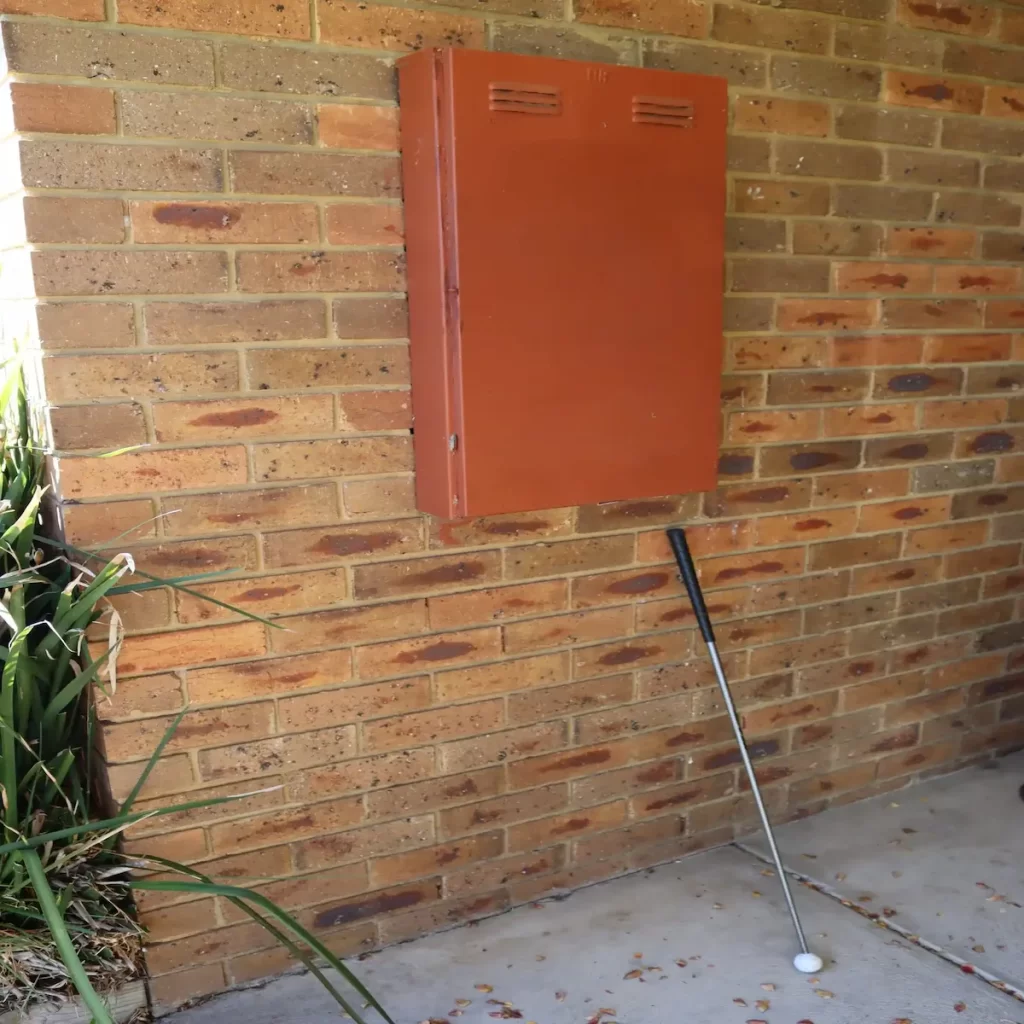
Homes near Port Phillip Bay are exposed to airborne salt. Even several kilometres inland, corrosion rates can be noticeably higher than in inland suburbs.
Layer onto that:
- Sandy soils
- Elevated groundwater levels
- Older housing stock
The risk profile shifts from soil movement to material deterioration.
Common Issues We See
- Concrete Spalling (“Concrete Cancer”)
Salt penetrates concrete and corrodes embedded reinforcement. As steel rusts, it expands, cracking and displacing the surrounding concrete. Frequently affected areas include:
- Balconies
- Garage slabs
- Strip footings
- Accelerated Metal Corrosion
- Rusted roof sheeting
- Deteriorated flashings
- Corroded plumbing components
Materials that might last decades inland can degrade faster in Seaford or Frankston.
- Rising Damp
High groundwater can migrate through masonry, particularly in older homes lacking effective damp-proof courses.
Practical Advice
In coastal suburbs, inspections should extend beyond cosmetic presentation. Moisture readings, subfloor ventilation assessment, roof cavity checks and close examination of exposed reinforcement are essential.
Salt-related deterioration is often gradual and overlooked until repairs become significant.
Zone 3: Established Foothills (Garden Suburbs)
Key suburbs: Rowville, Wantirna, Glen Waverley
Primary Risk: Mature Trees & Ageing Infrastructure
These suburbs feature established gardens and homes commonly built between the 1970s and 1990s. Many properties still have:
- Clay sewer pipes
- Older stormwater systems
- Footing systems designed to earlier standards
Large trees influence moisture levels in reactive soils. Roots extract water, contributing to localised shrinkage. They also seek moisture from sewer and stormwater lines.
Common Issues We See
- Root intrusion into clay sewer pipes
- Displaced or collapsed stormwater lines
- Cracked driveways and paths
- Differential footing movement
In Glen Waverley and Wantirna, significant subfloor movement is often linked to nearby eucalyptus or liquidambar trees.
Practical Advice
Tree-related damage can be costly if left unaddressed. Proximity to footings, soil moisture variation and drainage integrity should all be assessed together, not in isolation.
A generic inspection may identify cracking, but without local context, the underlying cause can be missed.
When booking inspections, Book a building and pest inspector melbourne who knows how to spot root-related structural movement and corrosion patterns specific to coastal environments.
South East vs Bayside: Different Pressures
| Area | Dominant Risk | Key Indicators |
| South East (Berwick, Pakenham, Cranbourne) | Reactive clay | Slab cracking, brick movement, misaligned doors |
| Bayside (Frankston, Seaford, Mt Martha) | Salt exposure & moisture | Spalling concrete, rusted roofing, rising damp |
| Foothills (Glen Waverley, Rowville) | Tree impact & ageing drainage | Root intrusion, subfloor movement, drainage failure |
A home performing well in Mt Eliza may experience structural stress in Officer if built on an unsuitable footing system. Conversely, materials suited to inland conditions may deteriorate faster near the coast.
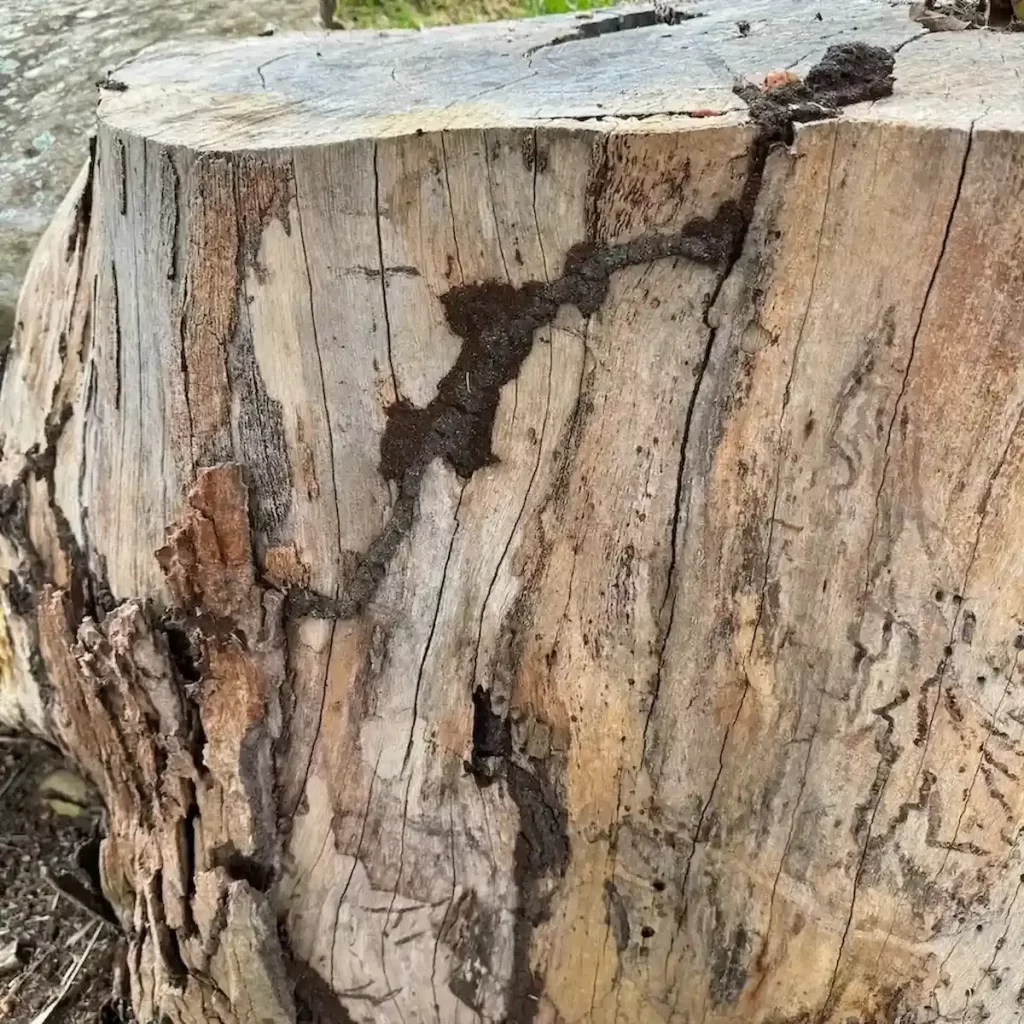
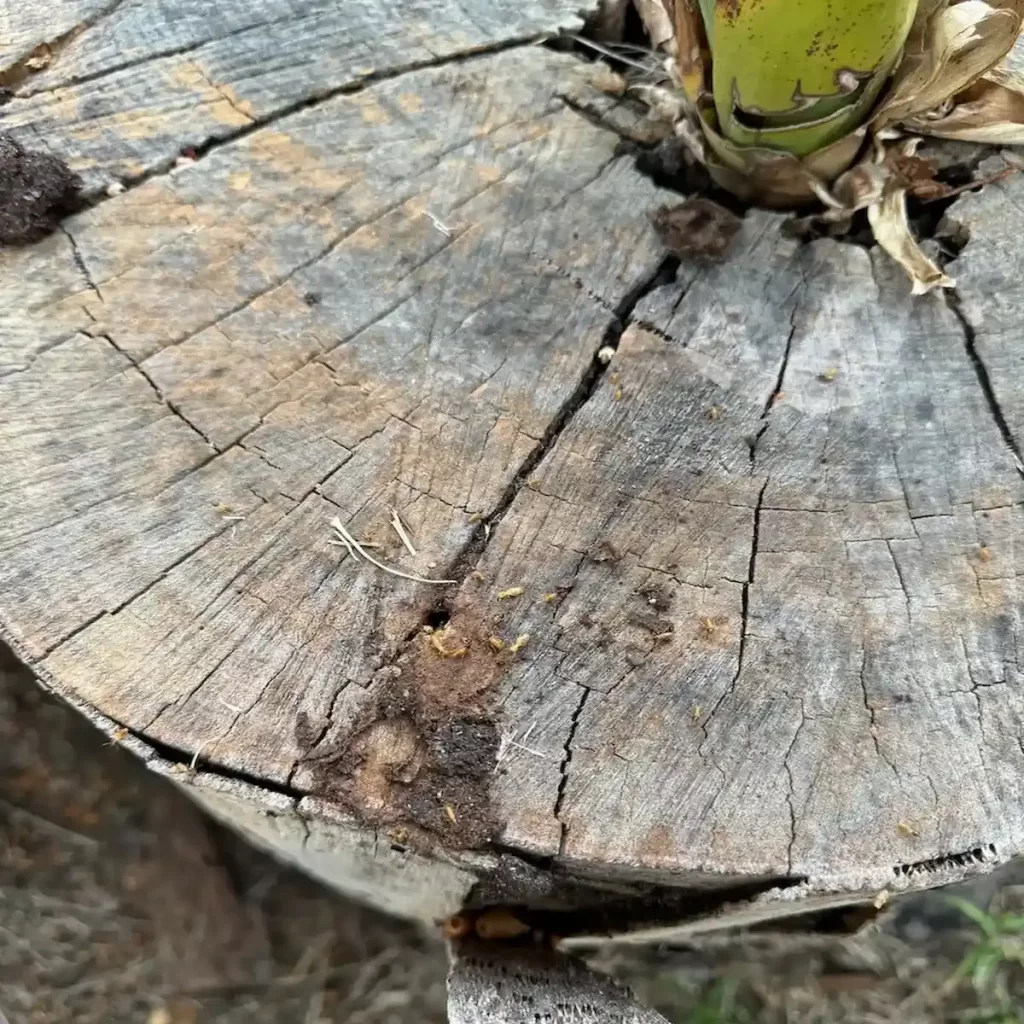
Termites: A Consistent Risk
Melbourne’s southern suburbs are considered high-risk for subterranean termite activity, particularly where there is:
- Persistent ground moisture
- Timber landscaping
- Poor subfloor ventilation
We regularly detect activity in Cranbourne, Frankston, Dandenong and Rowville.
Termites often remain concealed until damage is advanced. A general building inspection alone may not detect active infestation. Dedicated termite inspection Melbourne is advisable in this region.
Cost vs Long-Term Exposure
Buyers often focus on inspection costs. In practice, inspection fees are minor compared to structural rectification.
Indicative repair costs can include:
- Slab underpinning in reactive clay: $30,000+
- Concrete spalling repairs: $15,000+
- Sewer replacement due to root damage: $10,000–$25,000
- Termite damage: variable and potentially substantial
Inspection costs are predictable. Structural repairs are not.
Final Word: Context Matters
A “pass” does not carry the same meaning across suburbs.
- Reactive clay in Berwick
- Salt exposure in Frankston
- Tree-driven movement in Glen Waverley
Each setting presents different pressures.
Before purchasing in Melbourne’s South East or along the Bayside strip, ensure your inspection reflects local conditions, not just minimum reporting standards.
Frequently Asked Questions
Fees vary depending on property size and scope. Combined building and pest inspections typically range from several hundred dollars upward.
Yes. The region is considered high risk. Independent termite assessment is strongly recommended.
No. Reactive clay affects new and old homes alike if footing design and site conditions are not properly aligned.
Coastal exposure can accelerate corrosion of metal and reinforced concrete components.
Yes. Trees can influence soil moisture levels and damage drainage infrastructure. Proximity and species both matter.
Author
 Philip Guildea
Director, Buy Wise Inspections
Philip has over a decade of experience in the Australian construction sector. Originally trained in carpentry, he has worked across residential builds and large infrastructure projects, managed construction teams and operated a building company before focusing on inspection work.
Qualifications and services include:
- Qualified carpenter
- Registered builder
- Licensed pest technician
- Licensed pool safety barrier inspector
- Pre-purchase building and pest inspections
- Termite inspections
- Construction stage inspections
- Pool safety barrier assessments
- Targeted structural evaluations
Disclaimer
This article provides general information about building considerations in selected Melbourne suburbs. It does not constitute engineering, structural or legal advice. Conditions vary between properties. Always obtain independent, property-specific professional advice before purchasing or renovating.