

by: Philip Guildea – Director of Buy Wise Inspections, Oct 30, 2025
Melbourne homes have character, these are Victorian terraces, weatherboard classics, sleek new builds on slabs, and everything in between. They also have something else in common like they’re all attractive to termites. If you own or you’re about to buy a new property here, booking a termite inspection Melbourne wide is one of the smartest, lowest-cost ways to protect your biggest asset.
This guide breaks down how inspections work, what they cost in 2025, the suburbs at higher risk, what to do if termites are found, and how to choose an inspector who’ll actually find problems before they become expensive repairs.
Termites in Melbourne: a hidden threat you can’t ignore
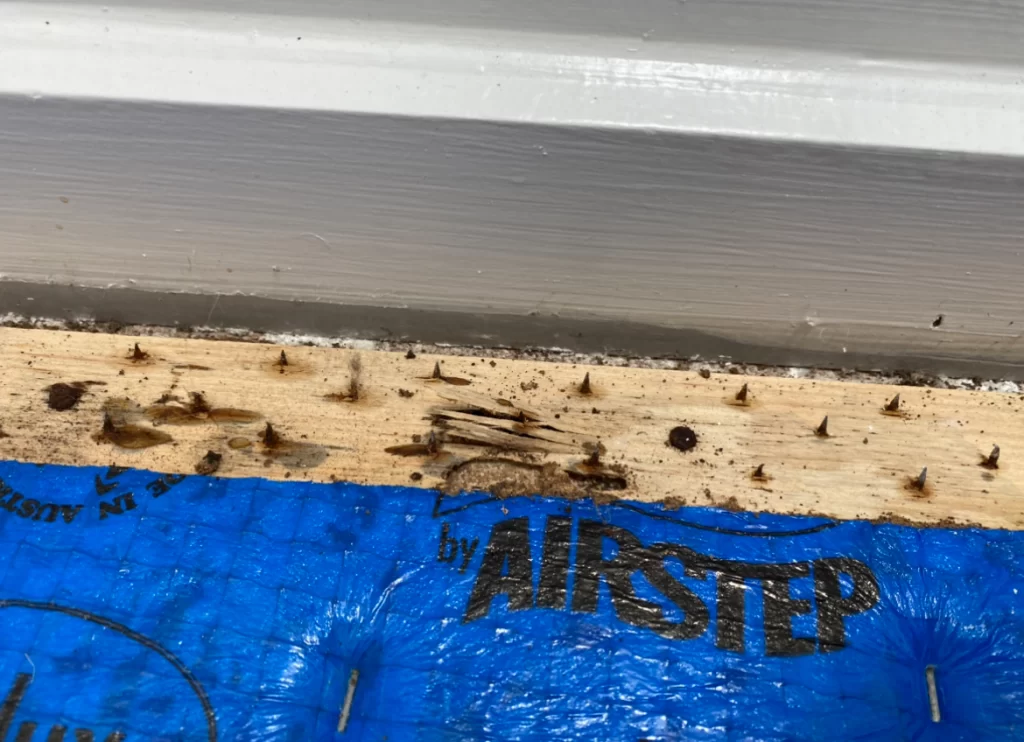
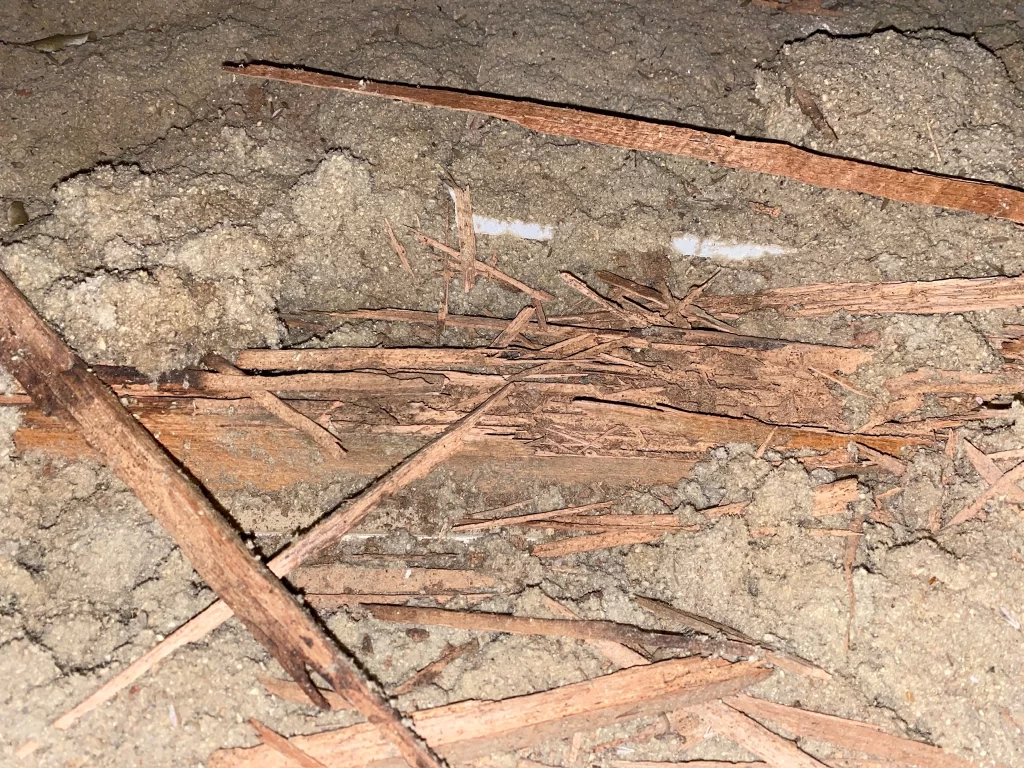
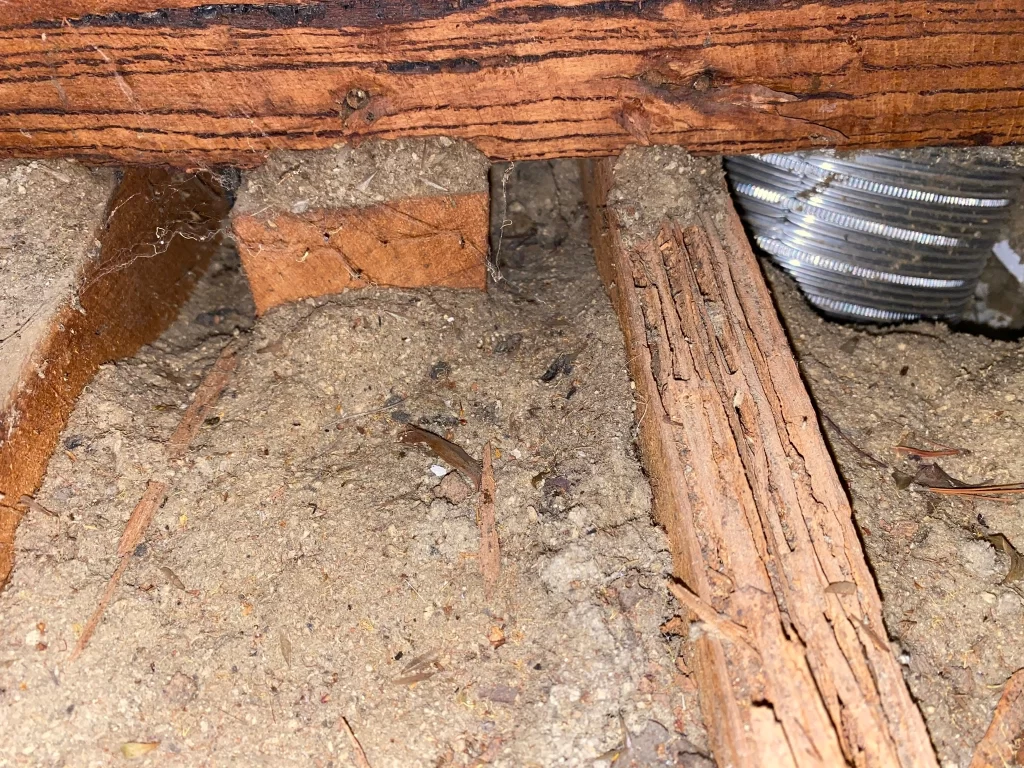
Termites (often called white ants) work quietly behind walls and subfloors. By the time you see bubbling paint, soft skirting boards, or a sagging floor, they may have been feasting for months. Melbourne’s mix of older timber, brick veneer with timber frames, and new estates built over former farmland creates a smorgasbord of food sources and entry points.
Why local homes are vulnerable
- Mature trees, ageing fences and garden beds built up against walls are common in suburbs like Glen Iris, Box Hill, Balwyn, Frankston and Mornington.
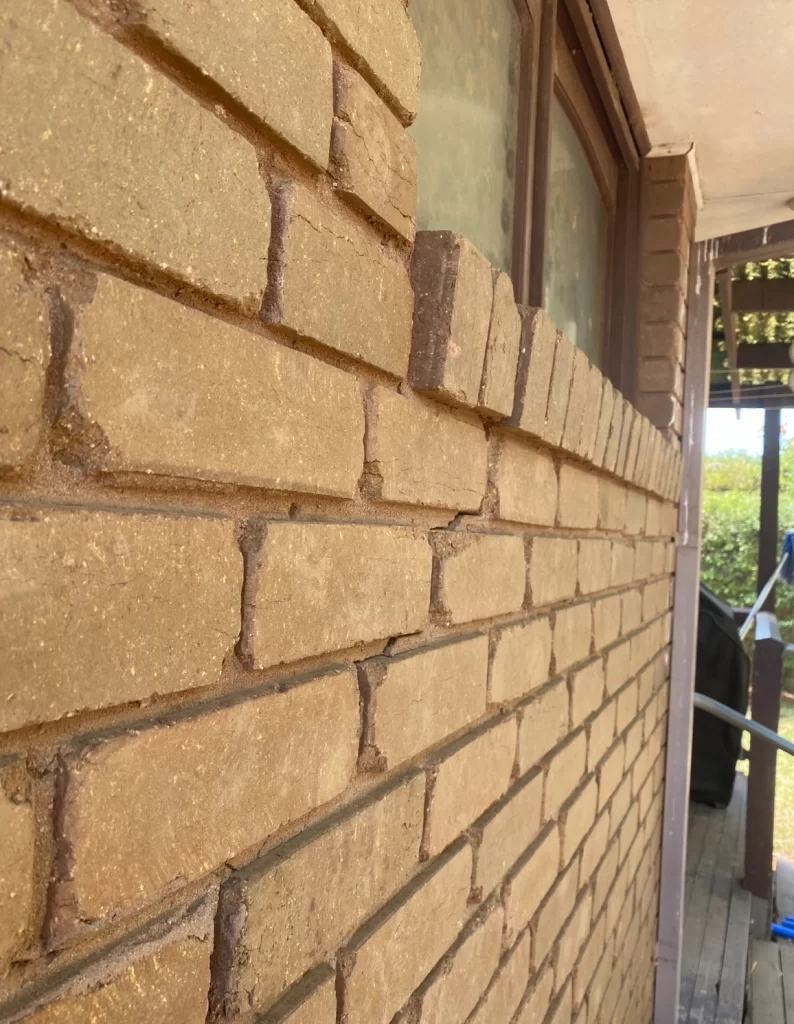
- Brick houses aren’t immune, most have timber frames, architraves and flooring.
- New builds can be at risk when slab penetrations aren’t sealed properly or when landscaping bridges termite barriers.
Early detection saves money. A yearly timber pest inspection is far more affordable than structural repairs.
What exactly is a termite inspection?
A termite inspection is a non-destructive, professional assessment of your dwelling and grounds to identify:
- live termite activity
- past damage and conducive conditions
- moisture issues that attract termites
- gaps in protection (e.g., missing or compromised barriers)
A thorough termite inspection Melbourne property owners can rely on will cover:
- All accessible internal areas: walls, floors, cupboards, skirtings, window frames
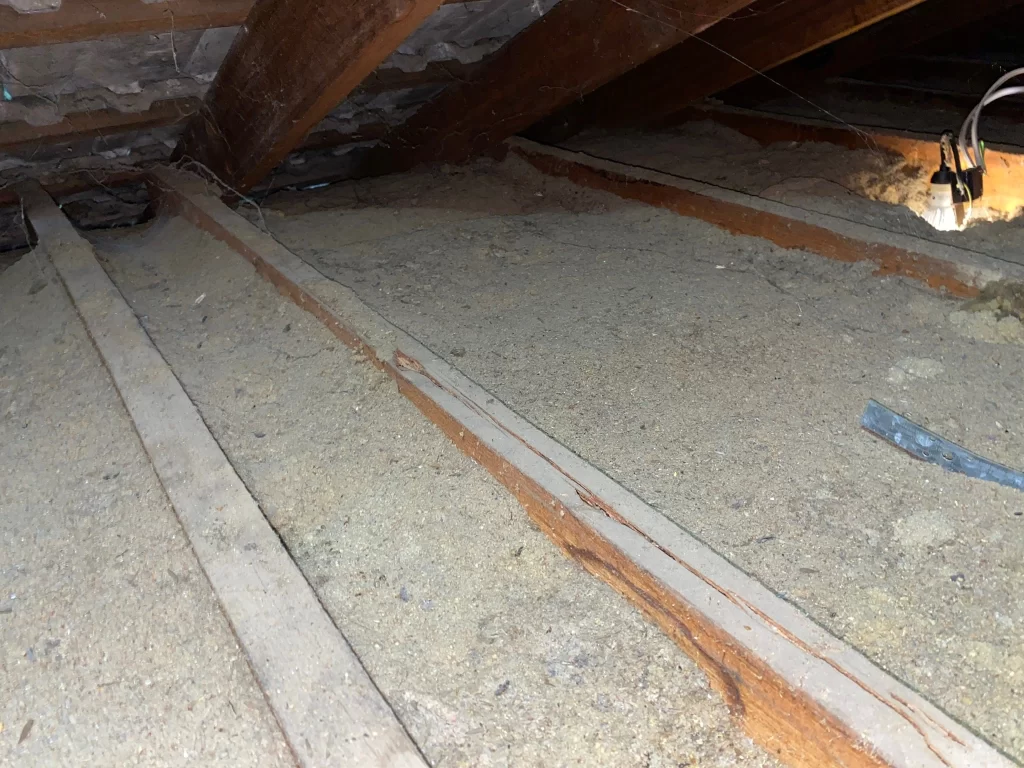
- Roof void & subfloor: if accessible (ventilation, leaks, timber contact with soil)
- Externals: perimeter, garages, sheds, decks, pergolas, fences, stumps, landscaping
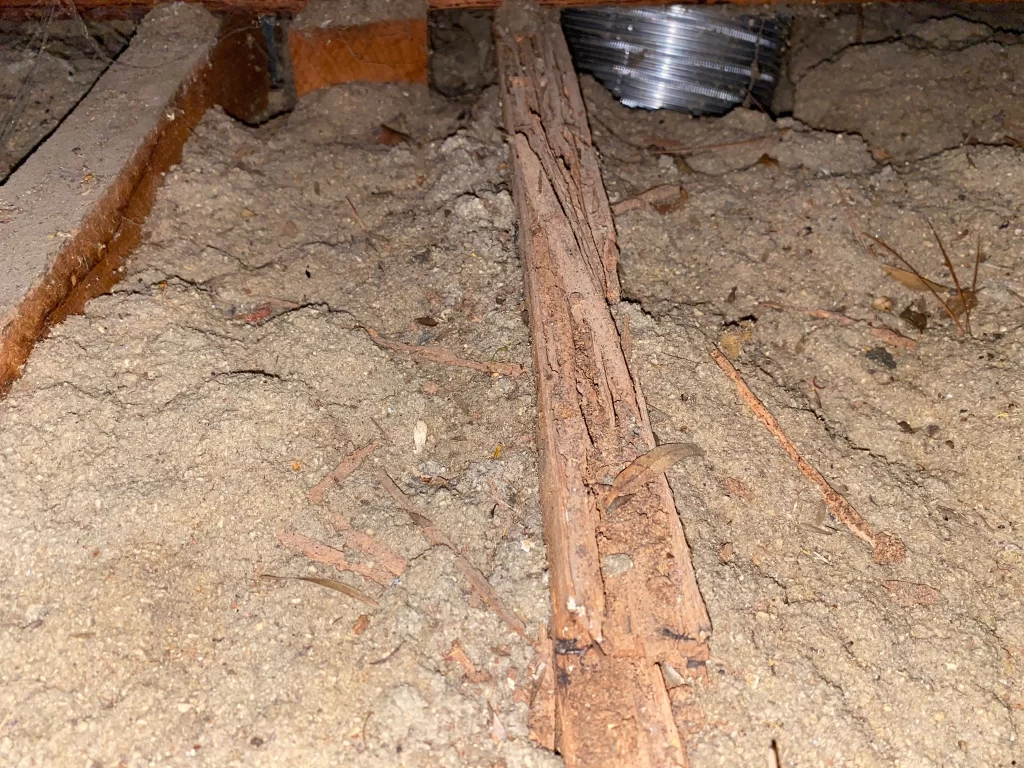
- Telltale signs: mud tubes, hollow-sounding timber, frass, moisture readings, uneven floors, or bubbling paint
- Tools & tech: moisture meters, tapping tools, high-lumen torches, thermal imaging and Termatrac radar to detect movement in concealed timbers
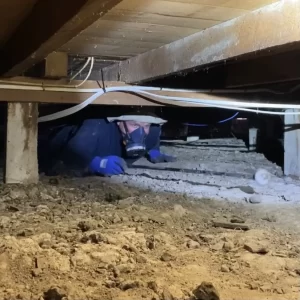
Reputable companies, including Buy Wise Inspections, work to Australian Standard AS 3660.2 for termite and timber pest inspections and provide reports in plain English with photos and priorities.
Step-by-step: the typical inspection process
- Booking & prep
We schedule a suitable time, confirm access points (subfloor, roof void, perimeter), and note any previous concerns. - Onsite inspection
Your inspector explains the process, then methodically checks all accessible zones using tools such as moisture meters, thermal cameras, and Termatrac. - Evidence & risk mapping
Photos and notes are taken wherever we see damage, high moisture, poor drainage, or timbers in contact with soil. - Clear, actionable report
Within 48 hours you receive a digital report outlining findings with live activity, past damage, risk areas and recommendations for treatment and prevention. - Consultation
We talk you through the report, urgency, and next steps. If termites are present, we outline spot treatments, baiting, or a full perimeter chemical barrier as appropriate.
How much does a termite inspection cost in Melbourne (2025)?
- Standard homes (up to 4 bedrooms): $300-$360
- Larger/split-level/difficult access: $360-$450+
- Combined building & pest (pre-purchase): $450-$650 (often the best value when buying)
What affects price?
Property size and design, subfloor/roof access, outbuildings, distance from the CBD, and extras such as comprehensive moisture mapping or detailed management plans.
Tip: Cheaper isn’t safer. Always use a licensed, insured inspector who follows AS 3660.2 and uses modern detection technology.
Who should book a termite inspection?
- Home buyers: A pre-purchase building and pest inspection is the best negotiating tool you’ll ever have.
- Homeowners: Book annually, or every 6 months in higher-risk homes (timber features, heavy landscaping, older suburbs).
- Sellers: A clear termite report reassures buyers and helps your sale move quickly.
- Investors & property managers: Routine inspections protect yields and prevent major maintenance surprises.
Melbourne’s termite-risk profile & “termite inspection zone”
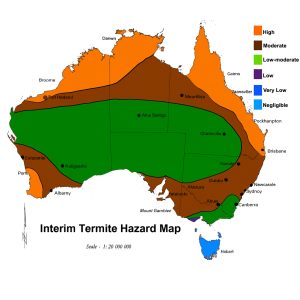
Across Victoria, councils recognise termite management zones or areas where precautions are recommended for new works and renovations. In practical terms, that means homes in many parts of Greater Melbourne, from Frankston, Mornington, and Seaford across to Doncaster, Ringwood, Box Hill, Glen Waverley, Eltham, Dandenong, and bayside suburbs will benefit from the routine checks and robust prevention.
If you’re unsure whether your address sits in a termite inspection zone or termite-prone area, ask us for local mapping. We maintain suburb-level intelligence from thousands of inspections across the city.
Real case studies: “Customer says”
Case Study 1 – Pre-purchase saves a bidding regret (Jay Hammond)
“Highly recommend Buywise to do pre-purchase building and pest inspection… we had 4 inspections booked and each time they delivered a thorough report and were very responsive. Their report helped us avoid going to auction for a place where they found previous termite presence and subfloor damage. We’ve now bought with confidence after a clear inspection. Thanks to Celine, Phil, Peter, Daniel and the team.” –Jay Hammond
What this shows: Consistent, independent assessments help buyers dodge costly mistakes and bid confidently when a property is sound.
Case Study 2 – Heritage home, fast response (Kelly Bainbridge)
“BuyWise go above and beyond… Phil did a home and pool inspection for clients buying a heritage home. The 90-page report was comprehensive. Months later, a carpet installer claimed there were ‘termites’. Phil arrived within 3 hours and confirmed it was dust and wood shavings. Superb service and happy to have Buywise on speed dial.” –Kelly Bainbridge
What this shows: Experience matters especially for complex properties and urgent re-checks.
What if termites are found?
Don’t panic, act quickly and methodically.
- Evidence & photos are documented in your report.
- Immediate containment: Depending on the species and location, we’ll recommend targeted dusting/foaming, baiting, or full perimeter soil treatments (e.g., with approved termiticides).
- Repair & prevent: Replace damaged timbers as required, sort drainage/leaks, and maintain clear inspection zones around the house.
- Buying a property with termites? Use the report to negotiate price or require treatment works before settlement.
- Follow-up inspections confirm eradication and ongoing protection.
Prevention: small habits that save thousands
- Keep garden beds, mulch and timber at least 300 mm away from external walls.
- Fix leaks fast, especially in bathrooms, laundries, roof plumbing, and downpipes.
- Don’t stack firewood or cardboard under the house or against walls.
- Ensure subfloors are ventilated and drainage flows away from the slab or stumps.
- Maintain a visible inspection zone around the perimeter, don’t bridge weep holes with soil or pavers.
- Book annual termite inspections (six-monthly in higher-risk situations).
- Consider barriers or baiting systems if your property is in a recognised risk corridor.
How to choose the right termite inspector (and avoid false confidence)
Not all inspections are equal. Before you book, check:
- Licensing & insurance: Ask for proof specific to timber pest work in Victoria.
- Experience & local knowledge: Years of inspection in Melbourne’s housing stock makes a difference.
- Equipment: Moisture meters, Termatrac, and thermal imaging are must-haves for concealed activity.
- Reporting standards: Insist on a written report with photos, risk ratings, and plain-English actions.
- Reputation: Look for detailed Google reviews and membership of relevant associations.
- After-care: Will they talk you through the report and outline practical next steps?
Buy Wise Inspections ticks every box, trusted across Greater Melbourne for thorough, technology-led inspections and straight answers.
FAQs: Termite Inspection Melbourne
Ideally every 12 months. High-risk homes (timber features, gardens, old suburbs) may need 6-monthly checks.
Yes! Brick homes often have timber frames or subfloors termites only need a 2mm gap to enter.
Usually not termites avoid light and are experts at staying hidden. Visible signs mean the infestation is often advanced.
No, it’s non-destructive. Inspectors don’t drill or cut without your permission thermal and moisture tools do the work.
Not always. Only “building and pest” inspections or a specific termite inspection covers timber pests. Always check your quote.
If you don’t fix moisture or garden problems, or skip future inspections, termites can return even after treatment.
Absolutelyespecially once landscaping, fencing, or decks are installed. Even homes with chemical barriers should be checked regularly.
Book an inspection immediately termites travel underground and can spread quickly between properties.
It’s a localised area recognised as termite-prone, where extra precautions are recommended for builds and maintenance. Much of Greater Melbourne is treated as at-risk, ask us about your address.
Quick checklist: when to call us
- You’re buying anywhere in Greater Melbourne
- You’ve noticed moisture issues, bubbling paint, or soft skirtings
- Your home sits in a known termite inspection zone
- You’ve added landscaping, decks or fences recently
- It’s been 12 months since your last termite inspection
Disclaimer
This article provides general information to help Melbourne property owners understand termite risks and inspections. It is not a substitute for a site-specific assessment. Always seek a licensed, insured professional for advice tailored to your property.
Ready to protect your home?
Book your inspection today to get a clear, photo-backed report and practical plan to keep termites out for good.
About the author
PHILIP GUILDEA – Director of Buy Wise Inspections – VBA Licence No. L011626
 Philip “Phil” Guildea is the owner of Buy Wise Inspections. Originally from Ireland, Phil has called Australia home since 2011. He began as an apprentice carpenter, later contributing to his family’s construction business before launching his own company. His portfolio ranges from bespoke architect-designed homes to major infrastructure projects.
A qualified carpenter, registered builder and licensed pest technician, Phil is also licensed for pool safety barrier inspections. He brings a rare blend of construction know-how and inspection rigour to every job and is known for his practical explanations and genuine desire to help clients make confident property decisions.
Phil leads the Buy Wise team delivering Pre-Purchase Building & Pest Inspections, Termite Inspections, New Home/Quality Control Inspections, Pool Safety Barrier Inspections, Special Purpose Inspections and advice on alterations and additions.