

Buying property in Melbourne moves fast. If you’re a first-home buyer, it can feel overwhelming. If you’re bidding at auction, it feels compressed. If you’re investing from interstate, it feels risky.
Different buyers. Same pressure point.
The inspection is usually the only moment you get independent clarity before you commit hundreds of thousands (or millions) of dollars.
For first-home buyers, it answers the question:
“Am I about to inherit someone else’s problem?”
For interstate investors, it answers:
“What capital expenditure am I walking into in the first five years?”
For auction bidders, it answers:
“What number should I absolutely not go past?”
I’ve seen buyers skip inspections to save time. I’ve seen others book them too late, during cooling-off, when access became difficult and deadlines tightened. The pattern is rarely dramatic. It’s usually timing.
And timing is what protects you.
This guide explains how inspection timing works in Victoria, who organises it, and and how to use pre-purchase building and pest inspections strategically. If you’re planning ahead, it also helps to understand the typical building and pest inspection cost in Melbourne so you can factor it into your due diligence budget.
Who Organises the Building and Pest Inspection?
In Victoria, the buyer almost always arranges and pays for the inspection.
Agents may suggest inspectors or help coordinate access, but the report should be commissioned by you and prepared in your interests. It forms part of your due diligence before entering a binding contract, something consistently reinforced by guidance from Consumer Affairs Victoria.
The practical reason for independence is straightforward. When you control the engagement:
- The report is written for you.
- You can discuss findings directly with the inspector.
- You can seek clarification without third-party influence.
- You retain full negotiating leverage.
Vendor-supplied reports can provide context, but they are not a substitute for an independent assessment.
If you want to confirm whether a practitioner is appropriately registered, you can check through the Victorian Building Authority.
What Does a Building and Pest Inspection Actually Cover?
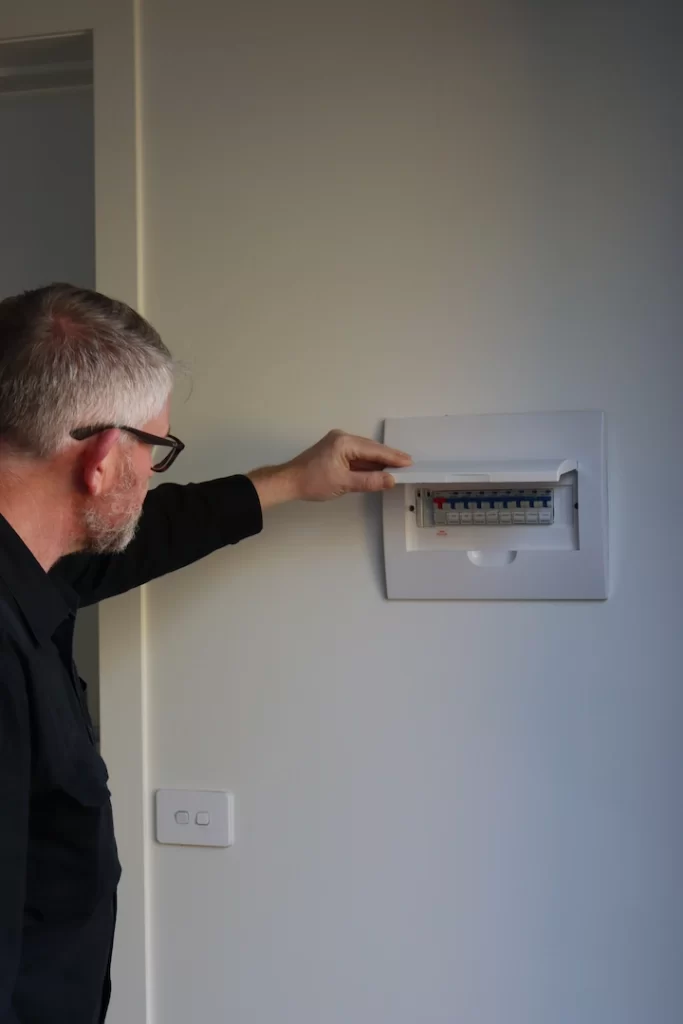
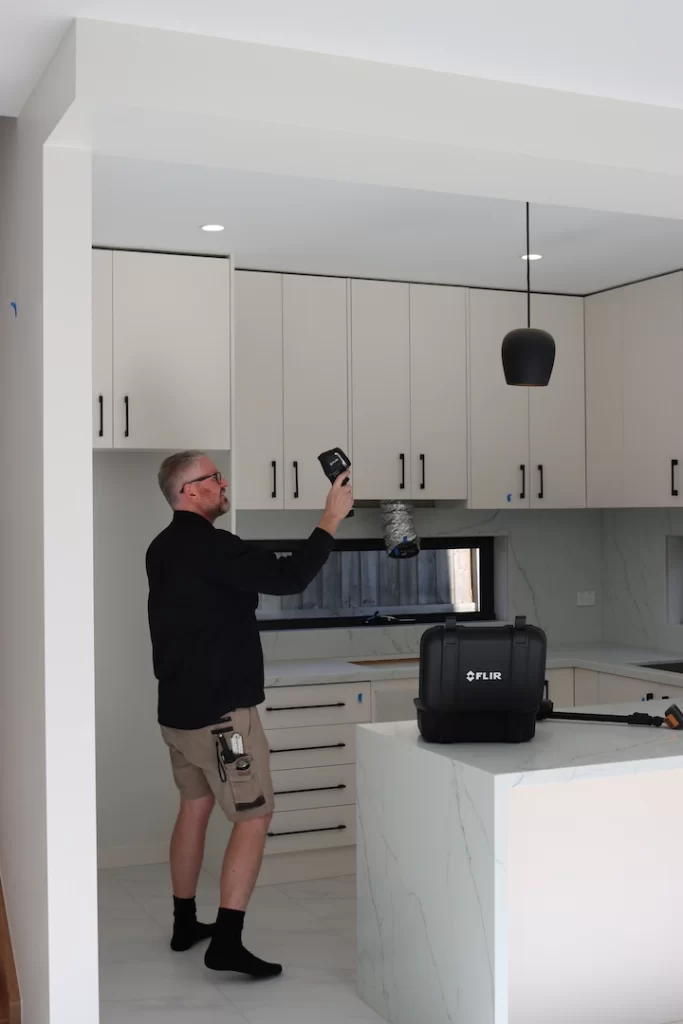
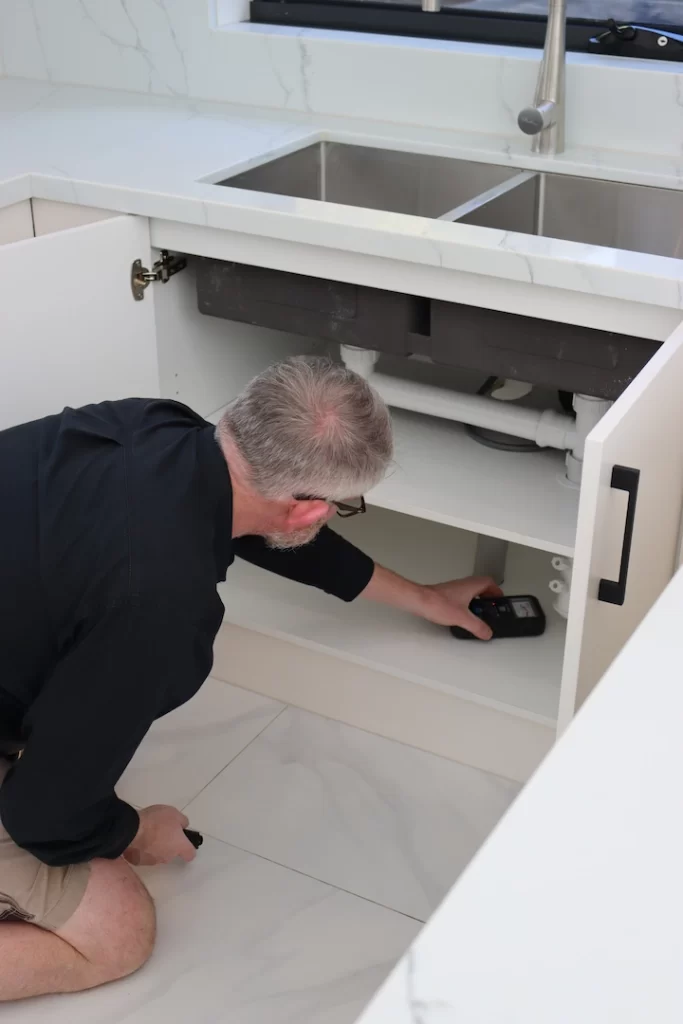
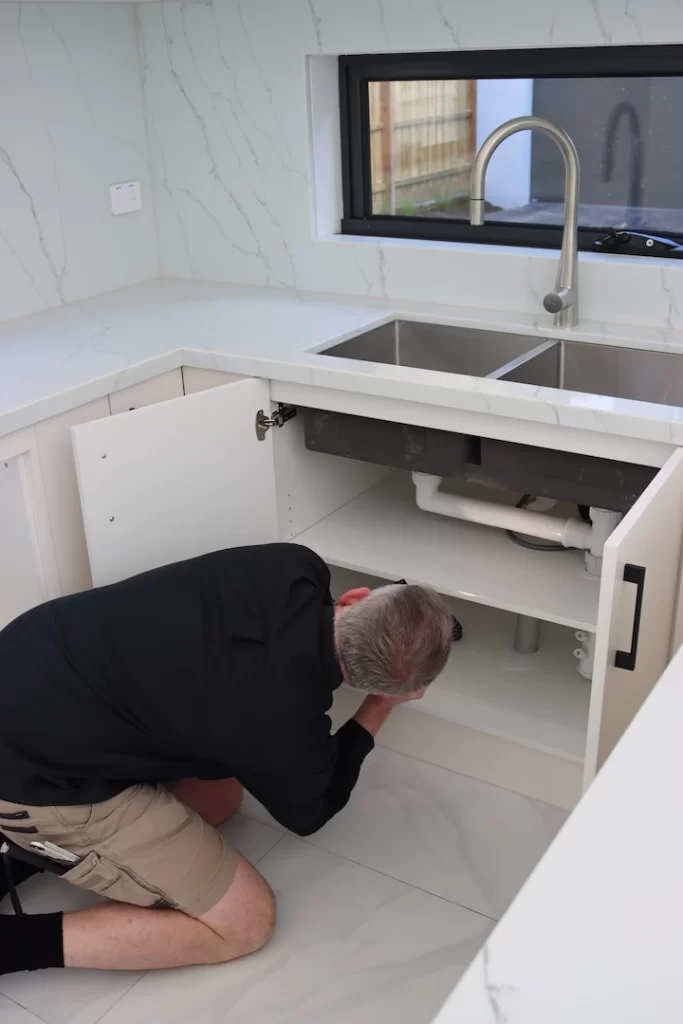
A proper combined inspection is visual and non-invasive. No walls are opened up. No destructive testing. It’s about identifying red flags in what’s visible and accessible.
But here’s what that means in practice in Melbourne housing:
- In a 1920s weatherboard in Coburg, it means checking whether subfloor ventilation is doing its job, or whether damp soil has been sitting under the house for years.
- In a 1990s brick veneer in the southeast, it means assessing movement cracks and whether they’re cosmetic or reactive clay movement.
- In a 2005 renovation, it often means checking whether shower waterproofing is failing, something that rarely shows up in listing photos.
Inspectors generally work in accordance with Australian Standards (AS 4349.1 and 4349.3), but the value isn’t the paperwork reference. It’s an interpretation.
For example:
- Earthenware sewer lines (common pre-1960) can look fine externally but may warrant a CCTV recommendation.
- Stormwater that discharges against foundations may not be urgent today, but it’s a long-term structural contributor.
- Minor termite damage might be historic, not active, and that distinction matters.
For interstate investors, this is especially important. You don’t want to discover subfloor moisture after settlement when your property manager calls about musty smells or cupping floorboards.
The inspection doesn’t eliminate risk. It quantifies it.
Timing: Before or After Making an Offer?
This is where strategy matters most.
The correct timing depends entirely on whether the property is being sold by auction or private treaty.
Auction Sales – Inspect Before You Bid
In Victoria, auction purchases are unconditional. When the hammer falls:
- There is no cooling-off period.
- You cannot withdraw because defects are discovered later.
- You accept the property in its current condition.
That makes pre-sale inspections essential.
A sensible timeline looks like this:
- Shortlist the property.
- Arrange inspection at least 5-7 days before auction.
- Review findings carefully.
- Obtain specialist quotes if needed.
- Adjust your maximum bid accordingly.
I have attended post-settlement plumbing rectifications where collapsed 100mm earthenware drains, common in pre-1960s homes, required immediate replacement. In one case in Melbourne’s north, subfloor moisture levels exceeded 25% due to chronic stormwater overflow. The remediation cost was significant.
Those defects were not hidden. They simply weren’t assessed before auction day.
Private Sale: More Flexibility, Still Time Sensitive
Private treaty transactions provide more room to structure your approach.
There are generally two workable paths.
1. Inspect Before Submitting an Offer
Some buyers prefer clarity upfront. They arrange the inspection early, then submit an unconditional offer with full knowledge of the property’s condition.
This can strengthen your negotiating position and remove contractual uncertainty. The trade-off is that you pay for the inspection regardless of whether your offer is accepted.
For properties with moderate competition, or where you are particularly serious about proceeding, this approach can be practical and decisive.
2. Offer Subject to Building & Pest Inspection
Alternatively, you can submit an offer conditional on a satisfactory building and pest inspection.
This clause must be clearly drafted and aligned with your conveyancer’s advice. Timelines are strict. In most Victorian private sales, buyers have a three-business-day cooling-off period unless waived, as outlined by Consumer Affairs Victoria.
If you proceed with a conditional clause:
- Book the inspection immediately after acceptance.
- Confirm the exact deadline for satisfying the condition.
- Clarify what constitutes an “unsatisfactory” result.
Delays reduce your negotiating leverage. Speed matters.
What Happens After the Report?
Inspection reports typically categorise findings into major defects, minor maintenance items, and evidence of pest activity.
The distinction matters.
Major defects may include:
- Significant structural movement
- Chronic moisture intrusion
- Failed waterproofing in showers
- Stormwater discharge against foundations
- Active termite damage
From a plumbing perspective, long-term subfloor dampness or stormwater mismanagement can quietly contribute to structural issues over time.
Once you understand the severity of findings, your options usually include:
- Proceeding without change
- Renegotiating the purchase price
- Requesting rectification
- Withdrawing (if contract conditions allow)
Used correctly, inspection findings are not simply warnings, they are negotiation tools.
Common Melbourne Risk Patterns
Melbourne’s diversity of housing stock creates recurring patterns.
Older brick and weatherboard homes often sit on reactive clay. Movement cracks are common and must be assessed in context.
Bayside suburbs regularly present subfloor moisture and drainage challenges due to soil composition and water table variations.
Timber-framed homes in leafy eastern corridors sometimes show historic termite activity.
And renovation defects, particularly non-compliant wet-area work, remain widespread.
The Victorian Building Authority provides regulatory oversight and practitioner standards, but compliance still varies in practice.
Mistakes That Increase Financial Risk
Most costly problems aren’t rare. They’re rushed decisions.
Common patterns I see across Melbourne purchases:
- Bidding at auction without inspecting first
The property “looked renovated.” The cosmetic finish distracted from drainage, subfloor dampness, or ageing plumbing. - Booking during cooling-off, but too late
Buyers assume three business days is generous. It isn’t. Access needs coordinating. Inspectors get booked out. One delay and you’re negotiating with a deadline looming. - Assuming new builds don’t need inspection
I’ve seen recently completed homes with incomplete waterproofing and poorly graded external drainage. New does not mean defect-free. - Interstate investors relying only on photos and building age
Online listings hide a lot. Moisture doesn’t show up in wide-angle lenses. - Confusing finance approval timing with inspection timing
They operate independently. Your bank timeline won’t pause a contract condition.
None of these mistakes are reckless. They’re just optimistic.
Property transactions punish optimism when it replaces verification.
FAQ: Melbourne Building & Pest Inspections
In most residential transactions, the buyer arranges and pays for it.
Before auction day, or immediately after offer acceptance in a private sale, ideally within 24–48 hours.
No. However, it is a fundamental part of prudent due diligence.
It may provide background information, but an independent report offers greater protection.
Typically between 1.5 and 3 hours, depending on property size and access.
You may renegotiate, request rectification, seek specialist input, or withdraw if permitted under the contract.
Yes. Even recently completed properties frequently present defects in waterproofing, drainage, and finishes.
Final Guidance
If you’re:
A first-home buyer: this may be the biggest financial commitment you’ve made. Clarity is worth the upfront cost.
An interstate investor: your margin lives in managing risk early.
An auction bidder: your maximum bid should already reflect known defects, not guesswork.
Read the report carefully. Ask questions. Adjust your numbers accordingly.
Book your inspection now and bid or negotiate with clarity.
The goal isn’t to kill the deal.
It’s to price it correctly.
About the Author
Philip Guildea – Director, Buy Wise Inspections

Philip (Phil) Guildea is the Director of Buy Wise Inspections and a respected professional in Melbourne’s building and construction industry. Originally from Ireland, Phil began his career as a carpenter before expanding into large-scale construction, bespoke architectural builds, and now property inspections across Victoria.
As a qualified carpenter, registered builder, licensed pest technician, and pool safety barrier inspector, Phil brings a depth of knowledge that helps Melbourne buyers make confident decisions. His practical experience spans residential construction, major infrastructure, and specialised inspection services including:
- Pre-purchase building and pest inspections
- Termite inspections
- New home inspections and quality control inspections
- Pool safety barrier checks
- Special purpose inspections
Known for his detailed approach and genuine desire to help people, Phil remains a trusted figure among both homeowners and industry professionals.
Disclaimer: This article provides general information only and does not constitute legal, financial, or building advice. Property transactions vary depending on contract terms and individual circumstances. Buyers should seek independent advice from qualified building inspectors, licensed trades, conveyancers, and legal professionals before entering into any binding agreement.