

Why Location Matters in a Melbourne Building Inspection
Buying a home in Melbourne’s south-east is not just about the house itself. It’s about the ground beneath it.
A property in Langwarrin, Berwick, or Cranbourne sits on soil conditions very different from those in Melbourne’s inner suburbs. These differences directly influence how a home performs over time. Foundations, footings, drainage, and even pest risks are all shaped by local conditions.
As Melbourne’s south-east corridor continues to grow, more buyers are entering areas where soil behaviour plays a critical role in structural stability. This is where local expertise becomes essential. A building inspection is not just a checklist, it’s a technical assessment informed by regional knowledge, climate patterns, and Victorian building practices.
Understanding soil behaviour is key to making informed decisions and protecting your investment.
The South East Specialisation: Reactive Clay Soils
The Science of the Soil
Across Berwick, Cranbourne, and Langwarrin, reactive clay soils are common. These soils expand when wet and shrink when dry. This movement is not minor, it can place significant stress on a home’s structure.
In Victoria, soil reactivity is classified during site preparation, but ongoing moisture changes can still affect performance long after construction.
The “Slab Heave” Phenomenon
Slab heave occurs when moisture causes clay soils beneath a slab to expand. This upward movement can lift parts of the foundation unevenly. During dry periods, the opposite occurs, soil contracts, causing settlement.
Over time, this cycle can lead to structural movement.
What We Look For During an Inspection
When conducting a Building inspection Berwick, we focus on identifying signs of movement associated with reactive soils. These include:
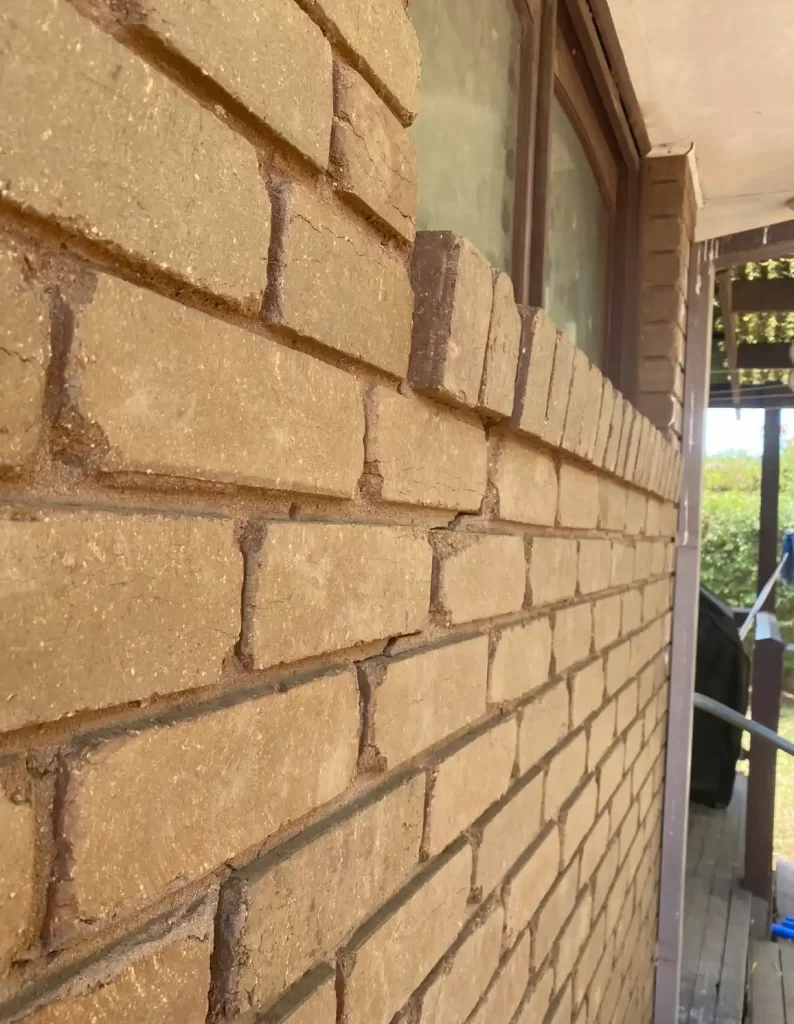
- Stepped cracking in brickwork
- Internal wall cracks around door frames and windows
- Doors and windows that no longer open or latch properly
- Uneven or sloping floor levels
- Gaps forming between walls, ceilings, or skirting boards
These indicators don’t always mean severe structural failure, but they do require careful assessment and context.
Local knowledge is critical here. Understanding Berwick’s soil composition and rainfall patterns allows inspectors to distinguish between normal settlement and concerning movement.
Topography and Drainage: From Cranbourne to Langwarrin
Local Topography Matters
The Casey region presents a mix of landscapes:
- Berwick: Slightly elevated with undulating terrain
- Cranbourne: Flatter plains with slower drainage
- Langwarrin: Coastal-adjacent zones with variable soil moisture
Each of these environments affects how water moves across and through a property.
Why Drainage Is Critical
Under Australian Standard AS 4349.1, site drainage is a key focus during a building inspection. Poor drainage is one of the primary contributors to foundation movement in Melbourne’s south-east.
Water pooling near footings increases soil moisture, leading to expansion. Conversely, poor water retention in dry periods accelerates shrinkage.
During a Building and pest inspection Cranbourne, particular attention is given to:
- Downpipe discharge points
- Surface grading around the dwelling
- Signs of water pooling or erosion
- Blocked or ineffective stormwater systems
In flatter areas like Cranbourne, even minor drainage issues can have amplified effects.
Pest Correlation: Moisture and Termites
Moist soil conditions are not only a structural concern, they also create ideal conditions for subterranean termites.
Excess moisture near foundations increases the likelihood of termite activity. This is why drainage assessment and pest inspection are closely linked in practice.
Understanding Industry Standards (AS 4349.1)
The Framework
Building inspections in Victoria are governed by Australian Standard AS 4349.1. This standard defines how inspections are conducted and what they include.
It ensures consistency, reliability, and transparency across the industry.
Industry-Standard Limitations
A pre-purchase building inspection is:
- Non-invasive
- Visual in nature
- Limited to accessible areas
Inspectors assess visible conditions at the time of inspection. They do not dismantle structures or perform destructive testing.
Defining the Scope
The inspection is strictly limited to the lot on title. This includes:
- The dwelling itself
- Attached structures
- Car spaces or storage areas on title
It does not include:
- Common property
- Shared services
- Strata records
Legal matters such as property boundaries or title details are addressed through the Section 32 and legal representatives, not the building inspector.
The Local Advantage
A local inspector brings more than technical compliance. They bring context.
In areas like Berwick and Langwarrin, understanding historical weather patterns, such as prolonged droughts followed by heavy rainfall, helps interpret structural movement accurately.
A generalist may note cracks. A local expert explains why they’ve formed and what they mean in that specific suburb.
What Homeowners in the Casey Region Should Monitor
Owning a home in Melbourne’s south-east requires proactive maintenance. Soil movement is manageable when addressed early.
Practical Maintenance Tips
- Manage Garden Beds
Keep garden beds and soil away from the edge of the slab. Excess moisture near footings increases expansion risk. - Maintain Downpipes and Stormwater
Ensure all downpipes are connected and discharge water well away from the home. Leaks or poor connections can saturate the reactive zone. - Monitor Trees and Vegetation
Large trees can extract significant moisture from the soil. This can cause localised shrinkage and uneven foundation movement. - Observe Changes Over Time
Track any new cracks or changes in doors and windows. Gradual movement is common, but sudden changes should be assessed.
The Role of Periodic Inspections
In high-growth areas like Cranbourne and Berwick, regular inspections are a smart investment.
A Building inspection Langwarrin or surrounding suburb can identify early signs of movement before they become costly issues. Periodic checks provide peace of mind and help maintain property value.
Conclusion: Protecting Your Investment in Melbourne’s South East
Berwick, Cranbourne, and Langwarrin remain some of Melbourne’s most desirable growth areas. They offer lifestyle, space, and long-term investment potential.
However, these suburbs come with unique geological conditions. Reactive clay soils, variable drainage, and climate patterns all influence how homes perform.
Understanding these factors is not optional, it’s essential.
A thorough building inspection, grounded in local expertise, provides clarity. It allows buyers and homeowners to make informed decisions based on real conditions, not assumptions.
At Buy Wise Inspections, the focus is on delivering technically accurate, suburb-specific insights. Every report reflects an understanding of Melbourne’s south-east “suburban DNA”, the combination of soil, climate, and construction that defines how properties behave over time.
What Homeowners Say
This is my first time using Buy Wise and I must say I am very impressed. The appointment was set up very promptly,. Immediately after the inspection, I got a call from Phil to discuss the results, and it was followed up by a very detailed report including recommendations to help remediate some of the minor issues. 10 out of 10, can recommend wholeheartedly. -Jeff Wang
Fabulous experience with the team at Buy Wise. They were so helpful and accommodating. The job was completed quickly and they were quick to respond to any communication I sent. Excellent service. -Sarah Landry
Author
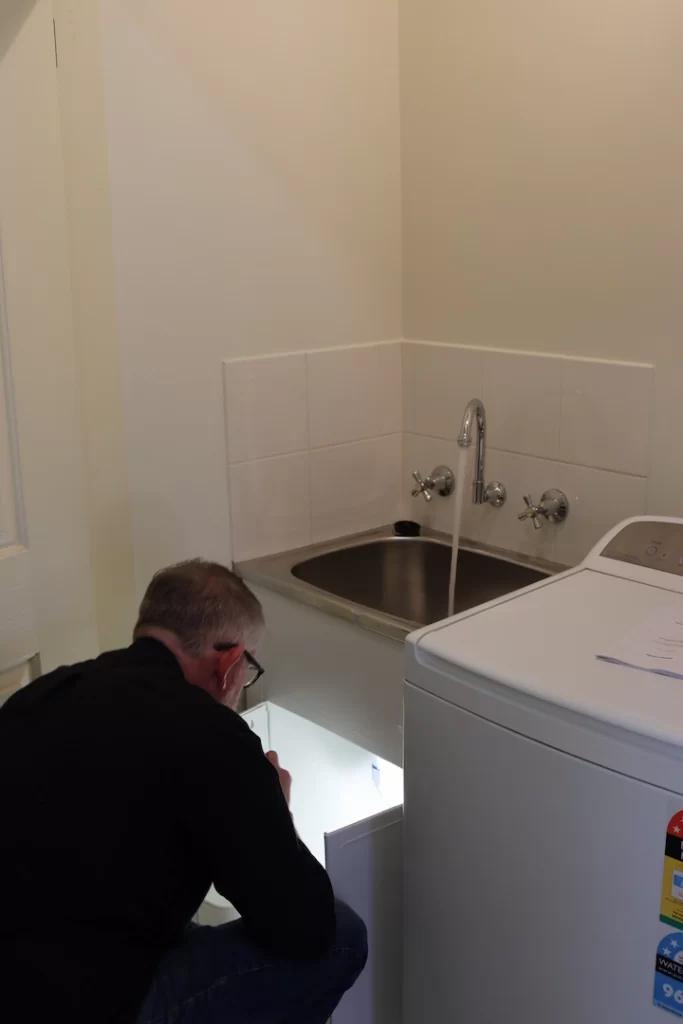
PHILIP GUILDEA – Director of Buy Wise Inspections
 Philip Guildea, known as Phil, is the owner and director of Buy Wise Inspections. Originally from Ireland, he has called Australia home since 2011.
Phil began his career as a carpenter through a formal apprenticeship before contributing to his family’s construction business. He later established his own successful construction company, delivering projects ranging from architect-designed homes to major infrastructure works.
He is a qualified carpenter, registered builder, and licensed pest technician. His expertise also includes pool safety barrier inspections and specialised building advice.
Phil is widely respected in the inspection industry for his practical knowledge, attention to detail, and commitment to helping clients make informed decisions. His approach is grounded in experience and a genuine interest in property performance and safety.
Disclaimer: This article is for general informational purposes only and does not constitute professional advice. Building inspections are conducted in accordance with Australian Standard AS 4349.1 and are limited to a visual, non-invasive assessment of the property on the lot title at the time of inspection.
This content does not include assessment of common property, shared services, strata records, legal boundaries, or compliance matters. For legal or specialised advice, consult appropriately qualified professionals.